
Bakery licenses and permits in Oklahoma depend on whether the operation is a retail food establishment, food manufacturer, or qualifying home food business. The Oklahoma State Department of Health (OSDH) works through county health departments for plan review, classification, applications, and inspections. Home-produced foods follow a separate freedom-act pathway overseen primarily by the Oklahoma Department of Agriculture, Food and Forestry.
Confirm the current route for the exact menu, facility, sales channels, and ownership before construction. For the nationwide checklist, see 开设面包店所需的许可证. For the full launch sequence, read 如何开一家面包店.
Oklahoma bakery permit checklist
- business entity, trade-name, EIN, tax, and employer registrations;
- sales or use tax permit when required;
- municipal or county zoning and business licensing;
- OSDH food establishment or food manufacturing license;
- county health department classification number and plan review;
- 建筑、管道、电气、机械、消防、标志和占用批准;
- pre-licensure inspection and food-handler requirements;
- 包装食品标签、过敏原和商业规模合规;
- Homemade/Local Food Freedom compliance for a qualifying residence-based operation;
- temporary-event, farmers-market, mobile, alcohol, well, septic, and specialized-process permits where applicable.
1. Contact the county health department before applying
OSDH’s official food licensing guide instructs applicants to contact the local county health department first. The county determines whether plan review is required, provides a classification number, accepts the application, and coordinates the pre-licensure inspection.
Provide the proposed menu, processing methods, seating, beverages, catering, wholesale, delivery, and event plans. The classification affects the application and fees, so do not choose it without the county.
2. Choose food establishment or manufacturing licensing
Confirm the correct license route before you design the production area. OSDH’s establishment licensing page is the official starting point for facilities regulated as food establishments, while wholesale production may follow a different manufacturing pathway.
A retail bakery or bakery café generally follows the food establishment route. A bakery producing packaged products for distribution or wholesale may need a food manufacturing establishment license. The same OSDH guide lists both pathways and requires plan review when applicable, a classification number, a completed license application, fees, and compliance at inspection.
If the bakery combines retail service and manufacturing, describe which products are made, where they are packaged, and where they are sold. Ask OSDH to confirm whether one or multiple classifications apply.
3. Register the business, taxes, and local licenses
Register the entity or trade name through the appropriate Oklahoma business filing office and obtain an EIN when required. The state’s licenses and permits portal says businesses selling products generally need a Sales or Use Tax Permit and notes that municipalities may impose local business licensing.
Product tax treatment can change as laws change. Packaged food, prepared food, beverages, catering, delivery fees, and merchandise may not be handled identically. Use current Oklahoma Tax Commission guidance before configuring the point-of-sale system.
4. Verify zoning before committing to the address
Contact the city or county for zoning, land use, and business-license requirements. Describe baking, food manufacturing, retail sales, seating, coffee, delivery, wholesale, exterior signs, waste, grease, ventilation, and hours. Confirm parking, loading, accessibility, and change-of-use requirements.
Make the lease contingent on zoning, health, construction, fire, and occupancy approvals where possible. Confirm utility capacity for ovens, proofers, mixers, refrigeration, sinks, exhaust, and displays.
5. Complete plan review before construction

OSDH states that plan review may be required before constructing a food establishment, converting an existing building, remodeling, or changing establishment type. Plan review is separate from the license application and must be completed first when required.
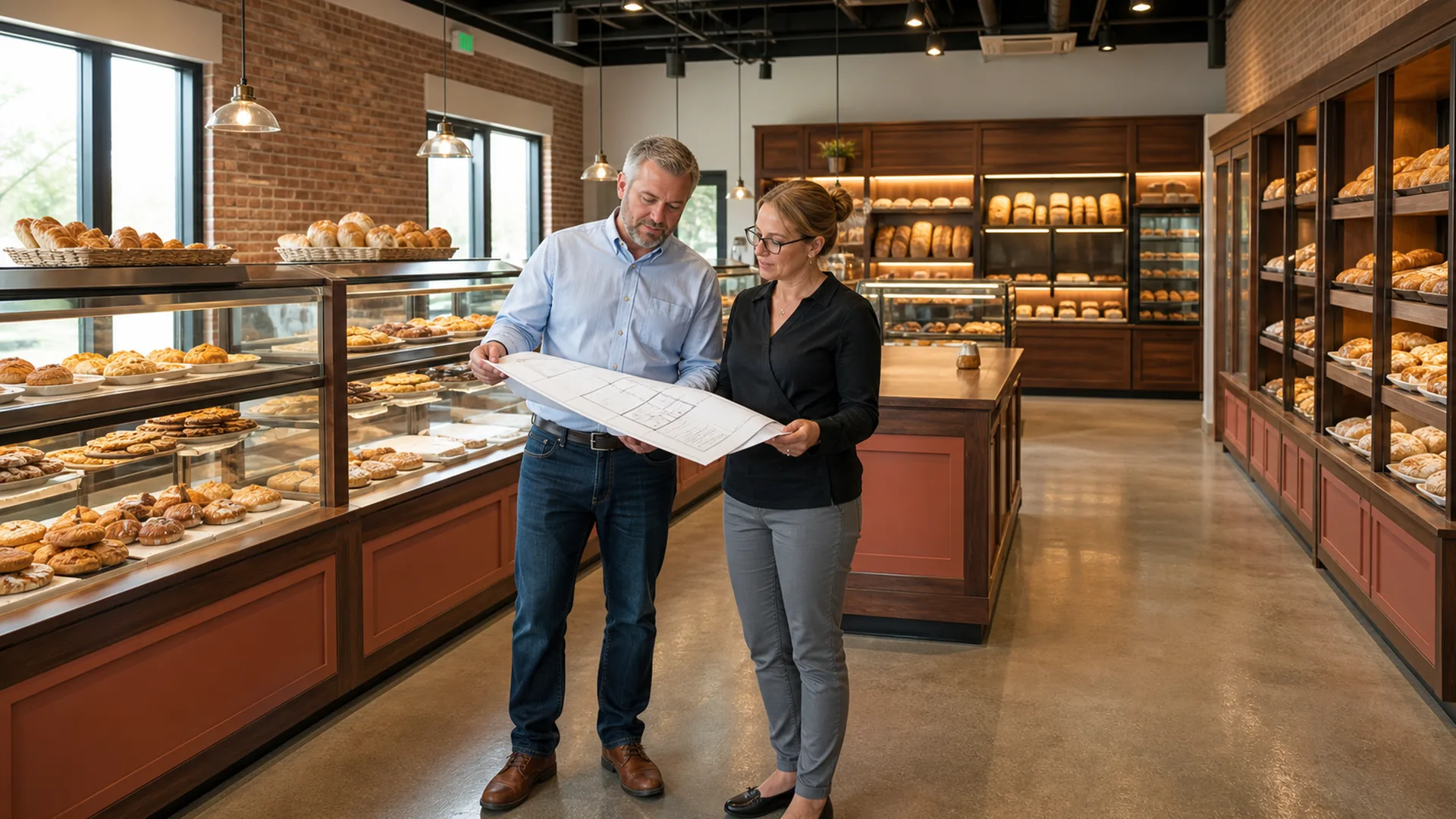
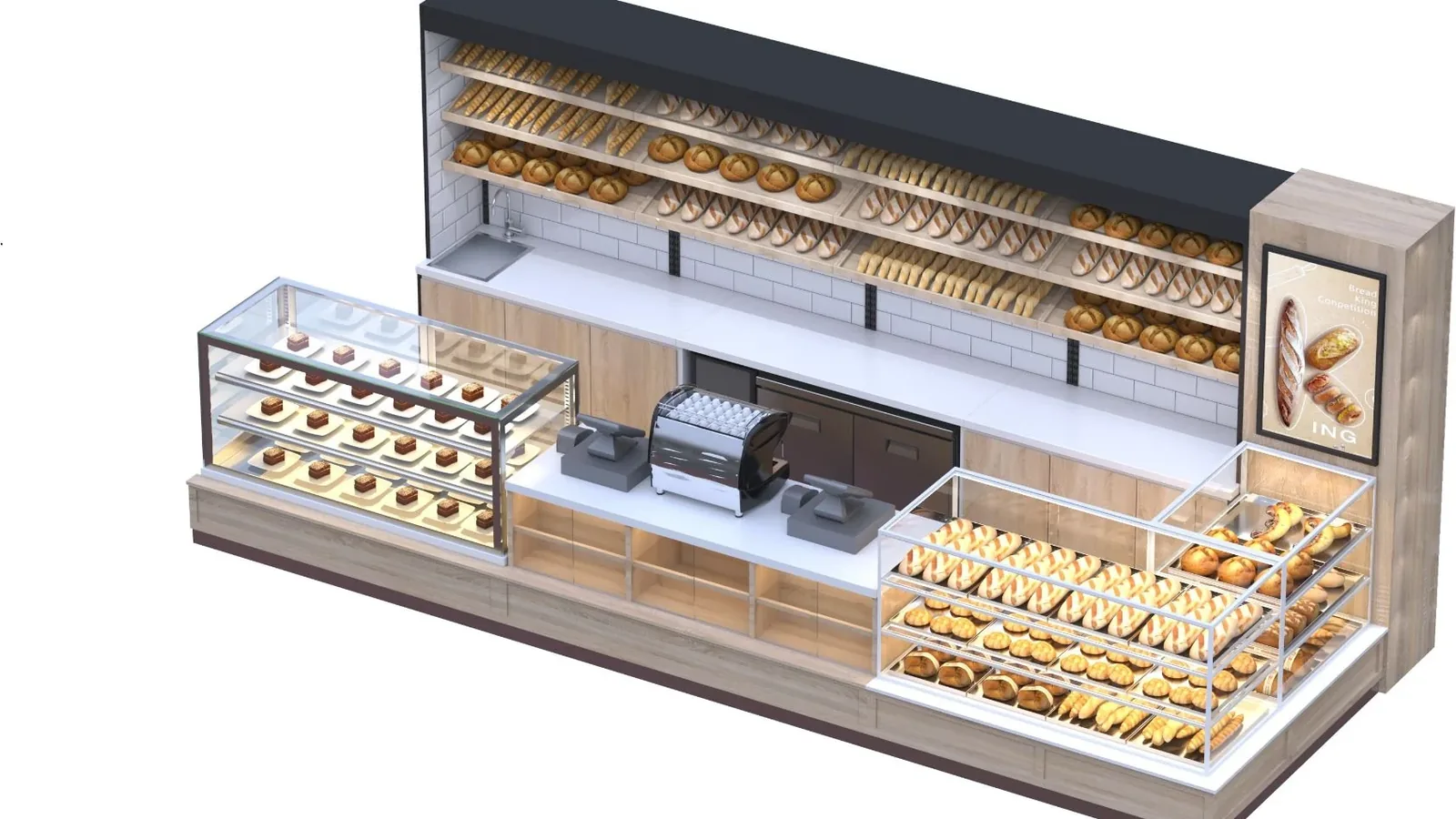
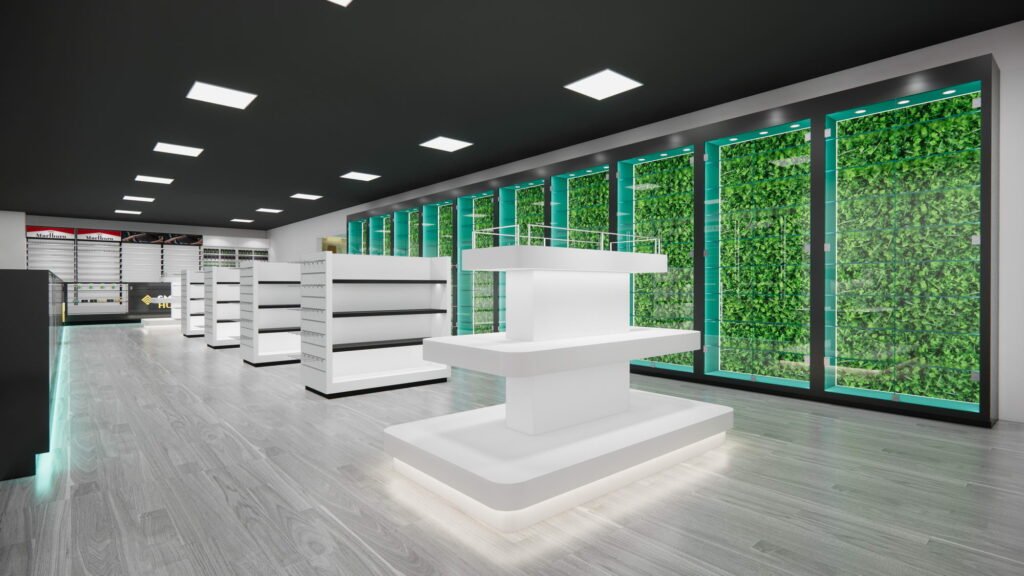
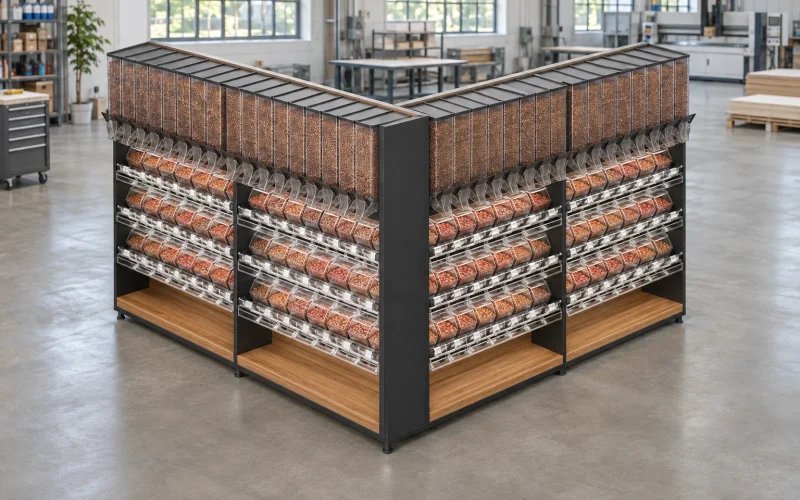
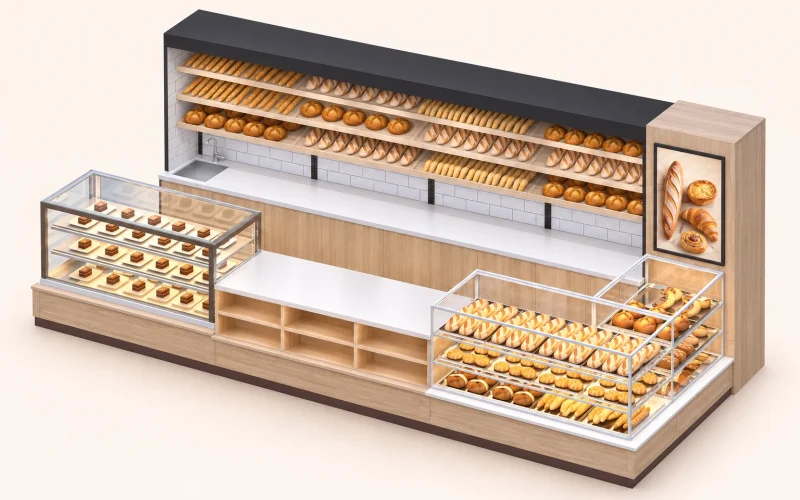
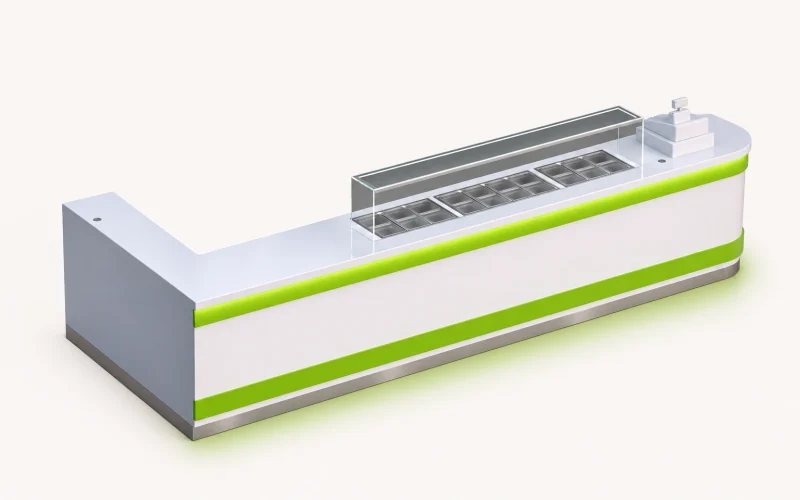
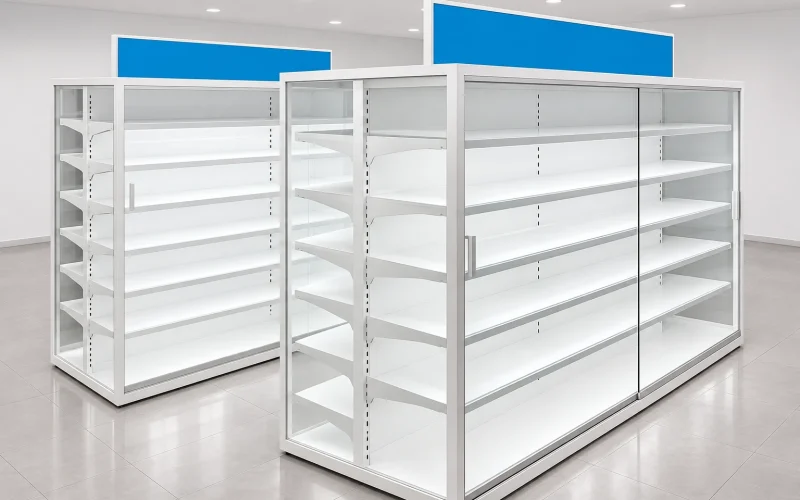
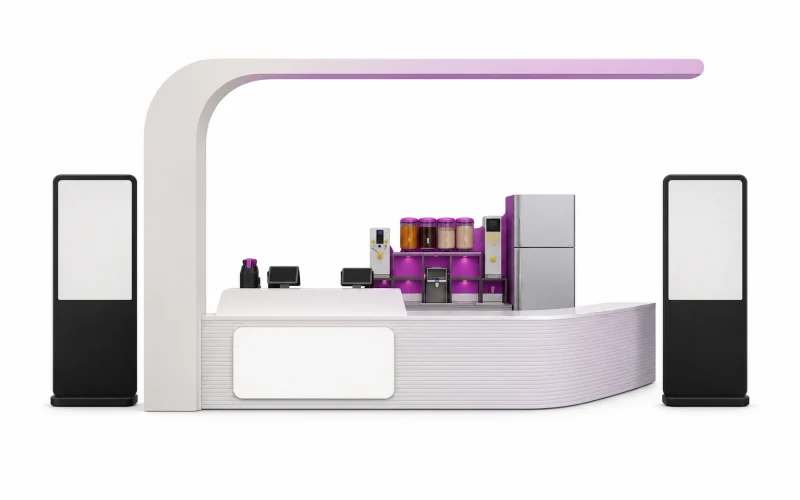
Submit scaled plans, menu, process flow, equipment list, manufacturer specifications, plumbing, hand sinks, warewashing, refrigeration, ventilation, finishes, storage, waste, and employee areas. Show every fixed Ouyee glass showcase, paneled service counter, bread wall cabinet, panel display shelf, and island. Coordinate sanitation, utilities, accessible service, clear aisles, queueing, and egress.
6. Submit the license application and fees
After plan approval and receipt of the county classification number, submit the correct application to the county health department and pay the separate license fee. OSDH currently lists a plan-review fee in addition to the license fee; verify the amount at application time.
Applicants must also provide the required Affidavit of Lawful Presence. Ownership changes, relocation, remodeling, or a new establishment type can trigger a new application or review.
7. 协调施工、消防和入住批准
Food approval does not replace building, plumbing, electrical, gas, mechanical, fire suppression, alarms, signs, accessibility, and occupancy permits. Coordinate these reviews with the approved food plan.
Use a single coordinated drawing set. Moving a display case, counter, wall cabinet, or island after review can affect outlets, drains, cleanability, accessible routes, and emergency egress.
8. Pass the pre-licensure inspection
OSDH schedules the pre-licensure inspection after plan-review requirements, application, and fees have been satisfied. Complete construction, remove dust, and install approved equipment first.
Verify hot water, hand sinks, warewashing, refrigeration temperatures, thermometers, sanitizer, pest exclusion, approved sources, employee-health procedures, allergen controls, and storage separation. Install the final Ouyee display system so the inspector evaluates the actual service arrangement.
9. Meet food-handler and employee requirements
Build training, illness reporting, hygiene and food-safety controls into the operating plan. The current Oklahoma food establishment rules provide the regulatory detail; confirm any newer amendments with the county health department before opening.
Contact the county health department for food-handler class and credential requirements. Train all staff on handwashing, illness reporting, time and temperature controls, cleaning, cross-contamination prevention, allergens, and recall procedures.
Employer tax, unemployment, workers’ compensation, workplace safety, and labor-law duties are separate from the food license.
10. Understand Oklahoma’s home food pathway
OSDH的 自制食品自由法指导 解释了住宅中的生产、标签和披露语言、销售限制、禁止成分,以及农业或健康部门处理投诉的情况。这并不是对每种食品或转售模式的普遍豁免。
该指导区分了非TCS产品和TCS产品,并施加不同的交付、培训和第三方条件。标签或销售网页必须包含生产者信息、成分、过敏原和所需的私人住宅披露。
11. 检查2026年地方食品自由法的过渡
在2026年,俄克拉荷马州通过了HB 3720法案,将自制食品自由法更名并修改为地方食品自由法。州长的 官方法案公告 确认了这一变化。由于实施日期和机构指导可能滞后于法案的通过,因此在依赖扩展的产品或销售渠道之前,请与ODAFF和OSDH核实有效的规则。
在各机构发布更新的操作指导之前,请使用他们提供的当前申请和说明,以便于预期的开始日期。不要将签署的法案视为对以前需要许可的活动的即时许可。
12. 标签产品并验证秤
商业包装食品通常需要产品标识、净含量、商业名称和地址、成分按降序排列、子成分和主要过敏原披露。家庭生产的产品需要法定披露和额外的生产者信息。营养标签可能适用,除非有豁免可用。
对按重量销售的产品使用经过批准的商业秤。保持供应商、配方、批次、过敏原和分销记录,以确保可追溯性。
13. 为扩展活动添加许可证
临时食品机构有自己的申请、费用、检查和最大运营期限。移动操作、农贸市场、酒精、批发分销、私人水井、化粪池系统和专业工艺可能需要额外的批准。OSDH的食品页面提供临时许可的详细信息和当前规则。
实际批准顺序
- 最终确定菜单、加工、服务、包装、批发和交付模式。
- 联系县卫生部门以获取分类和计划审查的指导。
- 注册实体、销售税、雇主账户和地方营业执照。
- 在承诺地点之前,验证区域、公共设施和占用情况。
- 准备缩放计划、设备清单、固定装置时间表和程序。
- 在施工或许可证申请之前完成计划审查。
- 按照批准安装生产设备和Ouyee展示装置。
- 提交申请、费用和宣誓书。
- 通过建筑、消防、入住和食品检查。
- 在开业前获得许可证。
常见问题解答
俄克拉荷马州的面包店需要计划审查吗?
通常需要,特别是对于新建、改建、翻新或更改经营类型的情况。县卫生部门做出决定。
计划审查是食品许可证申请吗?
不是。OSDH表示它们是独立的步骤,所需的计划审查必须在许可证申请流程之前完成。
商店可以转售家庭生产的食品吗?
当前指导对转售和许可设置了条件。在使用第三方零售之前,请与ODAFF和OSDH确认最新的地方食品自由法实施情况。
何时应订购固定装置?
尽早制定规格,但在卫生、分区和建筑审查员批准布局之前,避免不可逆的制作。
最终要点
俄克拉荷马州的面包店应首先与县卫生部门联系,获得正确的分类,完成所需的计划审查,并将食品计划与施工协调。整合生产设备、公用设施和Ouyee展示系统可以减少重新设计,并为获得许可证创造更清晰的路径。










 Chinese
 English
 German
 Arabic
 French
 Spanish
 Italian
 Russian
 Turkish
 Portuguese
 Japanese