
在柜子制造之前,规划珠宝展示灯光维护的通道:确定服务侧,展示每个驱动器的安装位置,并演示最大的可更换灯光组件如何离开展示柜。可拆卸面板只有在技术人员能够打开它、到达固定件、安全处理电线并在不干扰相邻柜台的情况下将一切放回原处时才有用。将完整的流程放在批准的图纸上,并在样本上进行测试。本指南帮助店主和设备买家指定通道、协调责任并接受最终安装。它不规定布线或替代灯光制造商的说明。
从服务路线开始,而不是面板尺寸
在孤立的工厂照片中,展示柜看起来容易维护,但一旦与另一个单元并排放置,就会变得无法接触。首先查看已安装的平面图。标记客户侧、员工侧、邻近柜子、墙壁和任何收银家具。然后标记技术人员工作的地点和拆下的面板将放置的位置。包括椅子和商品存储的正常位置,而不是画一个人为空的房间。
追踪四个独立的动作:打开柜子、到达组件、释放固定件和拆卸它。一只手可能可以通过狭窄的开口,而螺丝刀却无法转动。驱动器可能可以通过开口,但仍被结构轨道困住。一个铰链门可能在附近抽屉伸出时舒适地打开。这些是协调问题,平面图和简单的物理演示可以在交付前暴露出来。
有关柜子格式的概述,请使用我们的 珠宝展示柜选择指南. 将服务通道审查作为单独的批准项目:批准外观或整体尺寸并不等于批准更换通道。
将商品通道与灯光服务通道分开
日常销售珠宝的通道和偶尔进行电气维护的通道服务于不同的人和任务。销售助理可能需要频繁打开托盘隔间,而合格的技术人员需要对灯光设备进行受控访问。请柜子设计师确定哪些门或面板服务于每个任务,以及如何限制对服务区域的未经授权访问。
在服务面板与商品共享一个隔间的地方,定义在工作开始之前如何移除、计数和安全存放库存。避免提出需要工具穿过暴露珠宝或将松动面板平衡在玻璃上的顺序。商店团队应知道谁控制服务钥匙,谁清理工作区域,以及谁确认展示准备好重新开放。
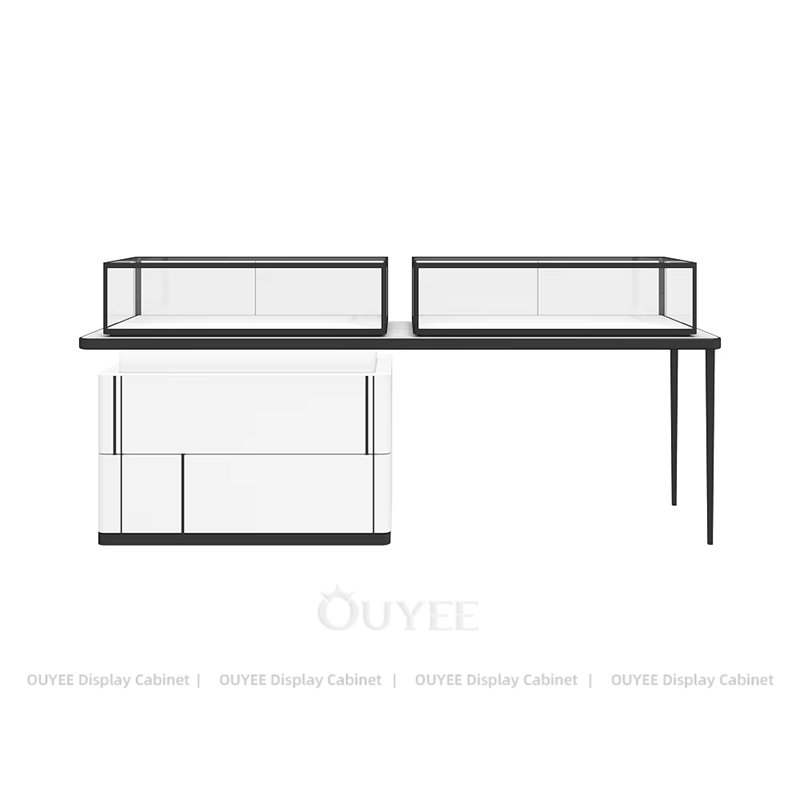
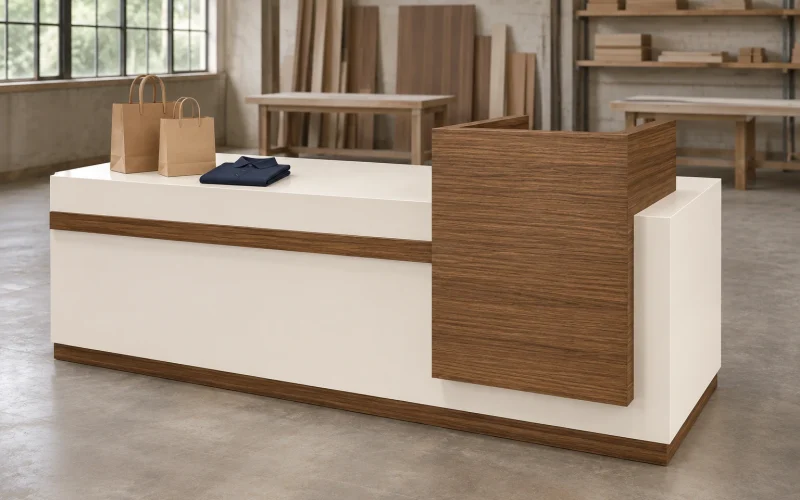
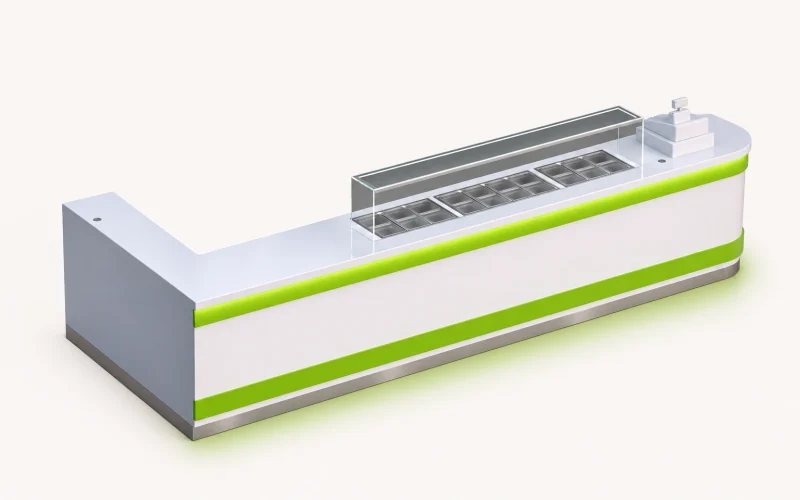
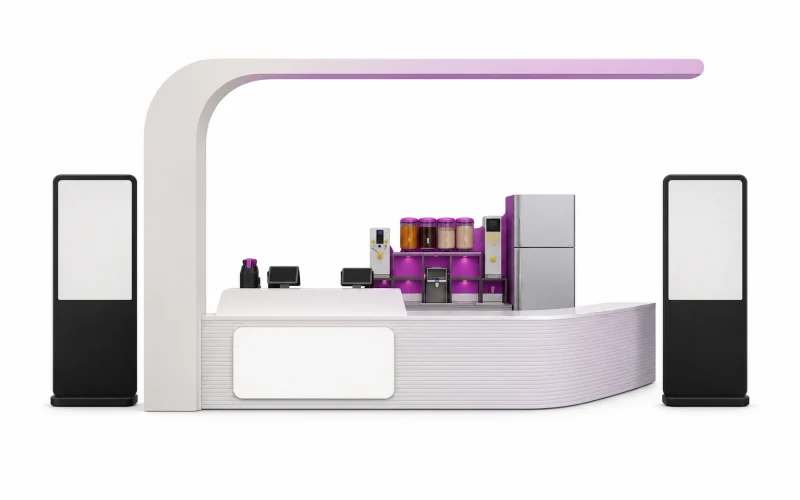
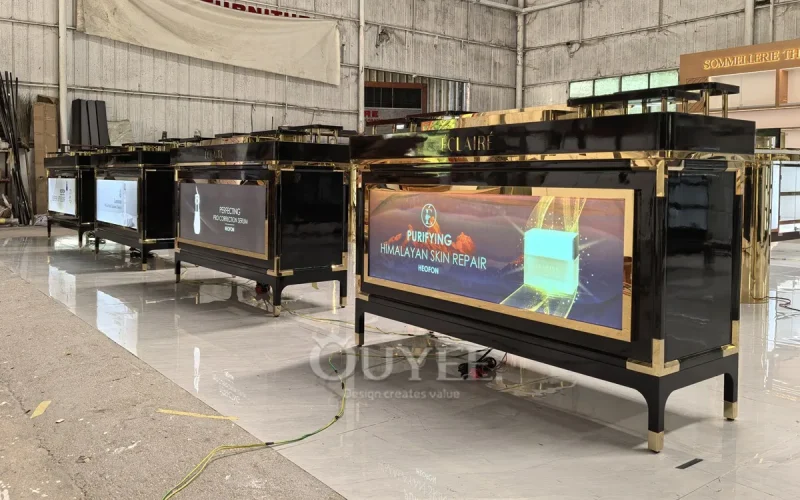
《 珠宝柜台和侧收银桌参考 说明展示和工作家具之间的关系。其图像是视觉参考,而不是特定驱动器位置或认证电气布置的证据。
给每个驱动器一个明确的位置
不要接受“在底座内部”作为完整的驱动器位置说明。要求提供设备清单,将每个展示柜参考与其光源、驱动器、控制和相关安装文件链接。图纸应显示安装位置、服务开口、电缆入口和为更换而拆卸的部分。如果多个驱动器占用一个隔间,请确定每个驱动器供应的灯光部分。
灯光制造商必须确认实际设备的允许方向、环境条件、安装安排和间隙。没有适用于每个展示柜驱动器的通用通风间隙或接入开口尺寸。避免将通用柜子图纸视为指示将任何电源封闭在同一空间内。存储托盘、袋子和备用包装不得侵占批准的设备区域。
询问谁负责选择驱动器并确认与灯光和控制的兼容性。外观相似的替换单元并不自动可互换。在交接文件中记录型号识别和批准的更换程序。柜子买家可以检查这些信息是否存在,而无需尝试设计或更改电路。
使用访问检查表比较提案
以下表格是一个采购和协调工具。其接受观察是实际检查,而不是电气规范尺寸。项目电工、设备设计师和设备制造商应共同解决最终技术要求。
| 待审核项目 | 请求的证据 | 样品接受观察 |
|---|---|---|
| 服务端 | 安装计划显示周围的柜台和家具 | 工作位置在实际布局中仍然可达 |
| 面板操作 | 开启方向、固定类型和拆卸顺序 | 面板打开后可以安全放置,不接触玻璃 |
| 驱动器更换 | 组件外壳和记录的拆卸路线 | 相关组件可以在不拆除结构部件的情况下离开机箱 |
| 光源更换 | 照明供应商的程序和接入图 | 工具和手可以在不强迫固定装置的情况下到达所需的固定件 |
| 设备识别 | 机箱参考、型号计划和标签 | 技术人员可以将设备与正确的机箱和文件匹配 |
| 安全隔离 | 电工批准的隔离安排和现场程序 | 负责的团队可以在服务之前识别正确的设备 |
| 恢复 | 关闭顺序和最终检查清单 | 面板、锁和显示展示恢复到其批准的状态 |
测试最长和最尴尬的拆卸路径
一些照明部件比其电气外壳更长。单独检查灯条、扩散器、安装轨道和任何连接器。靠近驱动器的小检修口并不能证明长灯条可以从其通道中滑出。请供应商演示提议组件的实际更换顺序,包括必须先拆卸的周围部件。
对于弯曲或拐角情况,测试转弯以及开口。某个部件在清除固定件后可能需要旋转的空间。图纸应标识服务是否依赖于移动整个柜子。如果建议移动,请与安装工和电工协调方法,包括与邻近柜台、地面连接和玻璃的关系。不要假设一个看似独立的柜子可以简单地向前拉。
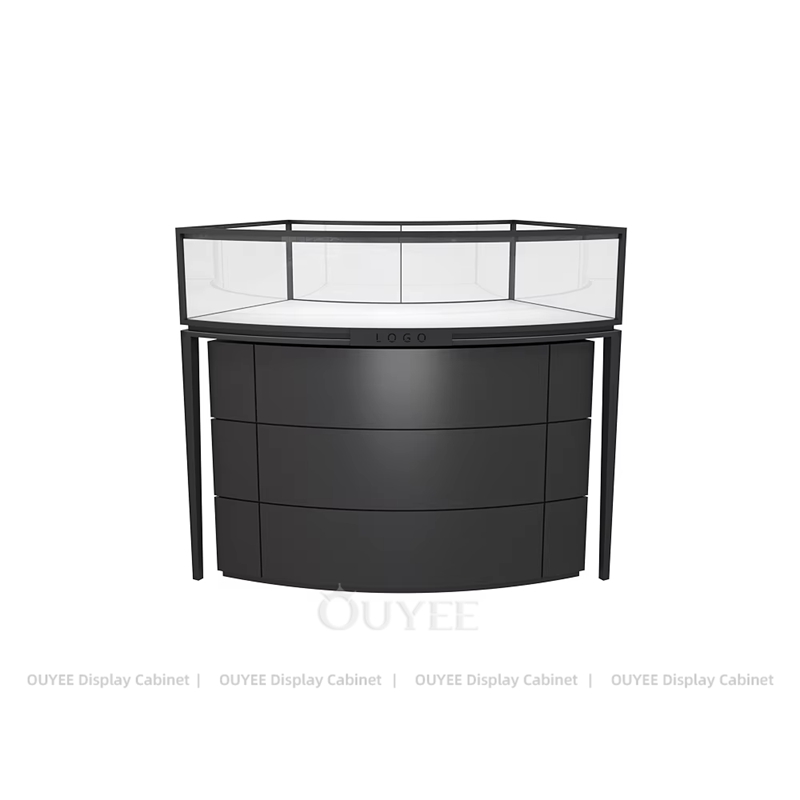
请求使用预期工具和批准程序对代表性样本进行演示。拍摄各个阶段的照片,并在观察到的顺序与提议不同的情况下注释图纸。在验收访问期间,不要授权切割轨道、钻新孔或以非正式解决方案更改布线。
明确隔离和责任
访问规划必须支持安全工作,而不是鼓励员工伸手进入电气舱。在中国, OSHA的电气工作实践条款 address de-energizing exposed live parts, with specified exceptions and precautions. Have a qualified person determine the applicable procedure for the installation; a light switch being off is not a complete service plan.
In the project documents, name the party that provides the cabinet, the party that supplies the lighting assembly and the party that connects and commissions it on site. Identify who approves service access and who receives the maintenance records. When responsibilities cross suppliers, ask for one coordinated drawing rather than three documents that contradict each other.
Store staff can report visible symptoms, such as one dark section or a changed appearance, and record the case reference. Electrical diagnosis and intervention belong to appropriately qualified personnel following the site’s procedures. Avoid telling a sales team to try alternative drivers, bridge connections or repeatedly reset a problematic circuit.
Plan for maintenance without promising a lifetime
Access remains relevant even when an LED system is intended for long service. The U.S. Department of Energy’s solid-state lighting technical reports examine system reliability, including driver testing and changes in light output and color. Those research topics support asking about maintainability; they do not establish the life of a specific showcase or guarantee when its parts will need replacement.
Keep the cabinet’s product records with the lighting schedule. During routine visual checks, compare the display with its accepted appearance and note any changes for the service provider. Cleaning should follow the approved instructions for the glass, finishes and equipment. Do not spray liquid into openings or let storage gradually cover a designated service compartment.
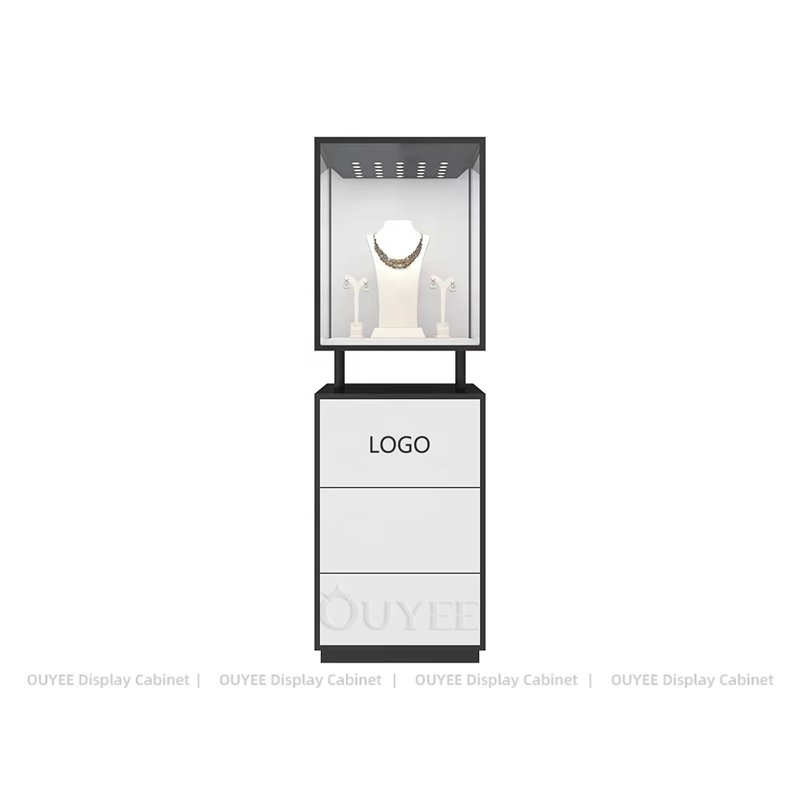
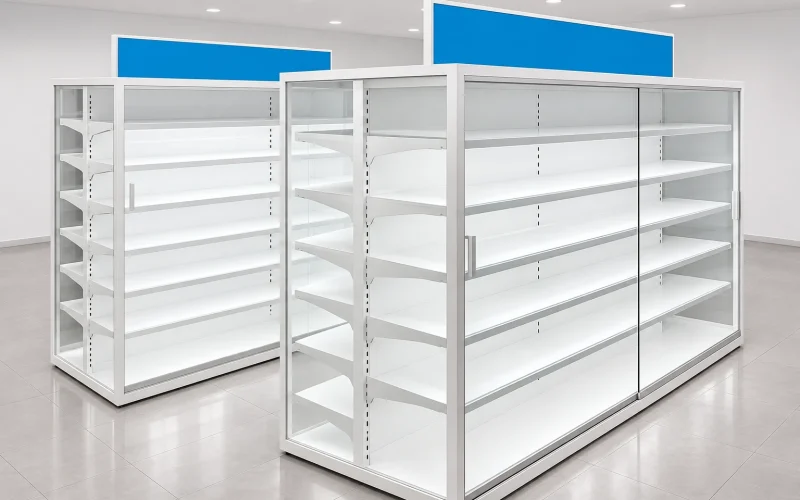
A tower display needs its own review. Its light source, fixing points and working position may differ from a horizontal counter, even if both use a similar finish. Evaluate how the service person reaches the upper display safely and where removed parts can be supported.
Keep replacement purchasing tied to the approved equipment
Before ordering spares, compare the equipment schedule, model label and supplier instructions. Ask the responsible technical party to confirm electrical compatibility, controls, mounting and the visual match with adjacent lights. Buying a replacement because it fits the available space can leave other requirements unresolved. Keep approved substitutions in the maintenance record so a later technician does not work from an obsolete schedule.
The following neutral training introduces general lighting purchasing considerations. It comes from the U.S. Department of Energy’s Federal Energy Management Program and discusses commercial and federal procurement. It is useful background for asking documented product questions; its federal purchasing examples are not showcase installation rules or proof that a particular cabinet meets them.
Watch the Department of Energy lighting purchasing training on YouTube.
Accept the service arrangement before shipment
Ask the supplier to show the closed cabinet first, then demonstrate access and restoration. Check the finished appearance again afterward: panel alignment, door operation, locks, glass protection and lighting presentation should return to the approved condition. Record any dependency on moving furniture or emptying a storage area. These practical observations are more useful than an unsupported claim that a cabinet is “easy to maintain.”
The final handover should include the approved access drawing, equipment schedule, relevant manufacturer instructions, service contacts and records of accepted substitutions. Associate the documents with clear cabinet references. If a component cannot be removed as agreed, resolve the access arrangement before shipment rather than leaving the installer to improvise around finished surfaces.
Begin a project discussion with the jewelry showcase manufacturing overview and supply your installed layout and maintenance questions together. For complementary decisions, see the ring display case buying guide 和 jewelry store interior design considerations. Resolve presentation, customer circulation and service access together, while giving each its own acceptance evidence.
常见问题解答
珠宝展示柜的服务开口应该多大?
根据实际组件、所需工具、手动接入和拆卸路径来确定。请灯具设计师和照明供应商在代表性样品上演示顺序。通用开口尺寸无法证明特定组件是可维护的。
LED驱动器可以放在下方储物柜中吗?
仅在责任技术方批准实际设备和安装位置后。确认安装方式、环境要求、存放物品的保护以及更换的通道。产品图片中可见的下柜并不代表其为已批准的电气隔间。
可拆卸的后面板是否保证了维护的便利性?
不。邻近的家具可能会阻碍它,工具可能无法到达固定件,或者某个组件可能无法通过开口。测试开口、到达、拆卸和恢复与周围布局的关系。
Should sales staff replace showcase drivers themselves?
电气服务应由符合资格的人员按照设备说明和现场安全程序进行分配。销售人员可以记录案例编号和可见症状,确保货物安全并安排维修服务。
What should be included in the maintenance handover?
Include approved access drawings, cabinet references, lighting and driver model schedules, manufacturer instructions, isolation information approved by the responsible electrician, service contacts and accepted substitution records. Keep the documents current when equipment changes.





 Chinese
 English
 German
 Arabic
 French
 Spanish
 Italian
 Russian
 Turkish
 Portuguese
 Japanese