
Quick Answer: A long-term care (LTC) pharmacy is a special type of pharmacy. It provides ongoing, coordinated medicine services to people living in group care settings. These settings include nursing homes, assisted living facilities, and other long-term care communities. The pharmacy does more than just fill prescriptions. It also delivers medicines, monitors patients clinically, and helps facilities follow regulations.
Context: As of 2026, over 10,000 people turn 65 every day in the U.S. This means more people need specialized care for complex medicine needs. LTC pharmacies have become a vital part of the healthcare system. They do much more than simple dispensing. They now provide integrated patient management.
Key Takeaway: This guide goes far beyond a simple definition. It covers the official regulatory framework and the core differences from retail pharmacies. It also explains the specific services offered, the financial models, and a forward-looking view of how the industry is changing.
This analysis uses the latest guidance from Centers for Medicare & Medicaid Services (CMS). It also draws from American Society of Consultant Pharmacists (ASCP) standards. We reviewed over 30 state-level pharmacy regulations.
Anahtar Noktalar
- Facility-Focused Service: Long-term care (LTC) pharmacies mainly serve facilities like nursing homes and assisted living communities. They don’t serve the general public. Their model is built on a business-to-business (B2B) partnership.
- Beyond Dispensing: Core services go far beyond filling prescriptions. They include crucial clinical consulting, such as Medication Regimen Reviews (MRRs). They also provide extensive regulatory compliance support for the facility.
- Specialized Packaging: A hallmark of LTC pharmacies is specialized medication packaging. This includes unit-dose or multi-dose blister packs (punch cards). This is standard practice to reduce medication errors and improve nursing efficiency.
- Unique Regulatory and Financial Model: LTC pharmacies operate under a different regulatory and payment framework than standard retail pharmacies. This framework is often more complex. It involves oversight from CMS and state health departments in addition to Boards of Pharmacy.
- 24/7 Availability: Unlike retail pharmacies with set business hours, LTC pharmacies must provide 24/7 on-call services. This is for emergency (STAT) medication needs. This reflects the critical nature of their patient population.
The Core Distinction: Long-Term Care Pharmacy vs. Retail Pharmacy
To truly understand what is long term care pharmacy, we need to compare it with the familiar corner drugstore. Both dispense medications. But their fundamental purpose, customer base, and service model are worlds apart.
A retail pharmacy serves individual walk-in customers. This is a transactional, business-to-consumer (B2C) relationship. An LTC pharmacy operates as an integrated healthcare partner to an entire facility. This is a business-to-business (B2B) model. It focuses on managing the medication needs of a whole resident population.
A Head-to-Head Comparison
The differences are not subtle. They affect every aspect of the pharmacy’s operations. This includes packaging and delivery to the pharmacist’s role and regulatory burdens. This distinction is crucial for facility administrators, residents, and their families to understand.
| Özellik | Long-Term Care (LTC) Pharmacy | Retail Pharmacy (e.g., CVS, Walgreens) |
|---|---|---|
| Primary Customer | The Long-Term Care Facility (e.g., Nursing Home) | The Individual Patient/General Public |
| Service Model | Business-to-Business (B2B); integrated care partner | Business-to-Consumer (B2C); transactional |
| Medication Packaging | Unit-dose, multi-dose blister packs, automated dispensing systems | Standard 30/90-day vials and bottles |
| Teslimat | Scheduled, daily/cyclical deliveries to the facility | Patient pickup or optional mail delivery |
| Billing & Reimbursement | Complex; per-diem, Medicare Part D, Medicaid, private insurance | Direct-to-consumer payment, PBM-based insurance claims |
| Pharmacist’s Role | Includes Consultant Pharmacist performing Medication Regimen Reviews (MRRs) | Primarily dispensing and patient counseling at the counter |
| Regulatory Oversight | CMS, DEA, State Boards of Pharmacy, State Departments of Health | DEA, State Boards of Pharmacy |
| Typical Hours | cURL Too many subrequests. | cURL Too many subrequests. |
cURL Too many subrequests.
cURL Too many subrequests.
cURL Too many subrequests. cURL Too many subrequests. cURL Too many subrequests.
cURL Too many subrequests.
cURL Too many subrequests.
cURL Too many subrequests.
cURL Too many subrequests.
- Specialized Packaging: cURL Too many subrequests.
- cURL Too many subrequests. cURL Too many subrequests.
- cURL Too many subrequests. cURL Too many subrequests.
cURL Too many subrequests.
cURL Too many subrequests.
- cURL Too many subrequests. The Centers for Medicare & Medicaid Services (CMS) mandates this for nursing facilities. A specially trained consultant pharmacist must regularly conduct a thorough review of each resident’s medication chart. The goal is to identify, prevent, and resolve medication-related problems. These include drug interactions, inappropriate dosing, or unnecessary medications.
- Antimicrobial Stewardship: With the growing threat of antibiotic resistance, LTC pharmacies lead programs within facilities. These programs ensure the appropriate use of antibiotics. This involves reviewing culture data and recommending the most effective and narrow-spectrum drugs. It also includes monitoring treatment duration.
- Psychotropic Medication Management: Federal regulations have placed intense scrutiny on the use of psychotropic medications in long-term care. Consultant pharmacists play a key role in helping facilities implement gradual dose reductions (GDRs). They ensure these powerful drugs are used only when clinically necessary, with proper documentation and monitoring.
Regulatory and Administrative Support
LTC pharmacies act as a vital back-office support system for the facilities they serve.
- Medical Records Management: They maintain complete, accurate, and readily accessible medication therapy records for every resident. These are essential for clinical care and regulatory audits.
- Compliance and Survey Support: LTC pharmacies are experts in the pharmacy-related regulations that facilities must follow. They help facilities prepare for and pass state and federal regulatory surveys (inspections). They do this by ensuring all documentation, policies, and procedures are in order.
- Cost Containment: By working with the facility and prescribers, the pharmacy can help manage and contain pharmaceutical costs. This is achieved through formulary management and promoting the use of generic drugs. It also includes executing therapeutic interchange programs where clinically appropriate.
The Patient and Facility Journey with an LTC Pharmacy
Understanding the process flow from resident admission to ongoing care clarifies how an LTC pharmacy integrates into a facility’s daily operations. It’s a well-orchestrated sequence designed for safety and efficiency.
- Step 1: Resident Admission (Day 0): The facility’s admissions department sends new admission paperwork and the physician’s initial orders to the LTC pharmacy. This is done via secure fax or an online portal.
- Step 2: Medication Reconciliation (Hours 0-4): The pharmacy’s clinical team immediately performs a medication reconciliation. They compare the hospital discharge list, the new physician orders, and the patient’s history to identify and resolve any discrepancies. They often contact the physician for clarification.
- Step 3: Initial Dispensing & Delivery (Hours 4-12): The first fill of medications is packaged in the facility’s preferred format (e.g., 7-day blister packs) and delivered. This delivery often includes a “STAT box” or emergency kit with common first-dose medications for immediate needs.
- Step 4: Daily Administration (Ongoing): Facility nurses use the pharmacy-provided packaging and the integrated eMAR system to administer medications to the resident. Any new orders are sent to the pharmacy for same-day or next-day delivery.
- Step 5: Cycle Fill (Monthly): Before the end of the month, the pharmacy synchronizes all of the resident’s routine medications. They are then packaged for the upcoming 30-day cycle and delivered in a large, organized shipment.
- Step 6: Consultant Pharmacist Review (Monthly/Quarterly): A consultant pharmacist visits the facility (or reviews charts remotely) to perform the required Medication Regimen Review. They document their findings and provide clinical recommendations to the Director of Nursing and the resident’s physician.
- Step 7: Discharge Planning: When a resident is preparing for discharge, the pharmacy works with the facility to provide reconciled prescription information. They often prepare paper prescriptions or transfer them to the patient’s chosen retail pharmacy to ensure a smooth transition of care.
Choosing an LTC Pharmacy: A Guide for Facilities
For a facility’s Director of Nursing or Administrator, selecting the right pharmacy partner is one of the most critical decisions they will make. The right choice can lead to fewer errors, increased efficiency, and overall better patient outcomes.
The Decision Tree
This simple decision tree can help facility leadership determine their needs.
- Start: Are you a licensed long-term care facility administrator or Director of Nursing?
- Yes: Proceed.
- No: This guide is for facility-level decision-making. If you are a family member, discuss pharmacy options with the facility administrator. According to industry standards, facilities typically contract with a single pharmacy for safety and consistency.
- Question 1: Does your facility manage complex medication regimens for more than 15 residents?
- Yes: cURL Too many subrequests.
- No: cURL Too many subrequests.
- cURL Too many subrequests. cURL Too many subrequests.
- Yes: cURL Too many subrequests.
- No: cURL Too many subrequests. cURL Too many subrequests.
cURL Too many subrequests.
cURL Too many subrequests.
- cURL Too many subrequests. cURL Too many subrequests.
- cURL Too many subrequests. cURL Too many subrequests.
- cURL Too many subrequests. cURL Too many subrequests.
- cURL Too many subrequests. cURL Too many subrequests.
- cURL Too many subrequests. cURL Too many subrequests.
- Danışma: The LTC pharmacy should have the capacity to schedule an initial consultation with the facility staff to discuss the specific medication-related issues faced at the facility. This is an opportunity to team up and develop strategies for addressing common problems.
- Reporting: The pharmacy’s ability to deliver clear and accurate reporting on medication usage, and errors would provide very significant data on any inefficiencies that may need to be rectified.
The Business and Future of Long-Term Care Pharmacy
The LTC pharmacy industry is a dynamic field. It’s shaped by demographic trends, regulatory pressures, and technological innovation. Understanding its operational models and future direction is key for all stakeholders.
Operational Models and Regulatory Landscape
Most LTC pharmacies operate as “closed-door” pharmacies. This means they are not open to the public. Their entire operation is housed in a secure facility designed for high-volume, mail-order-style dispensing.
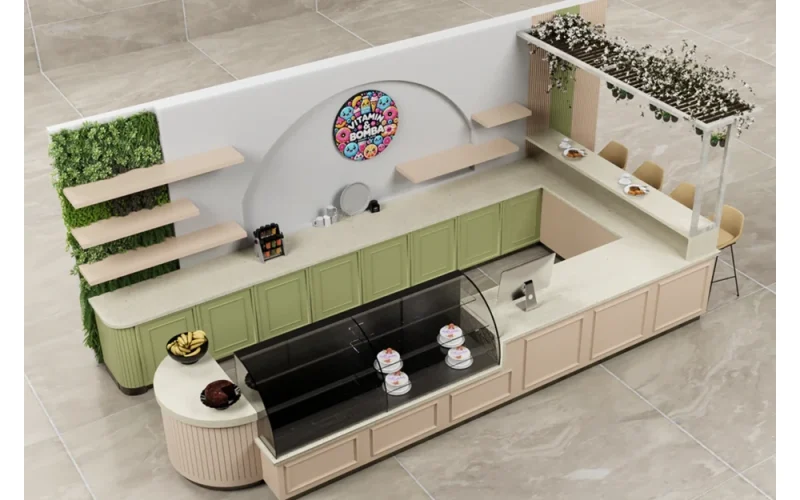
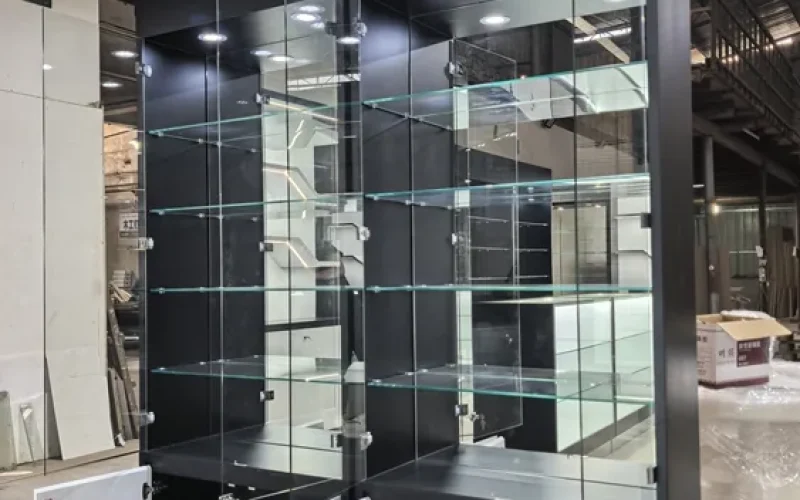
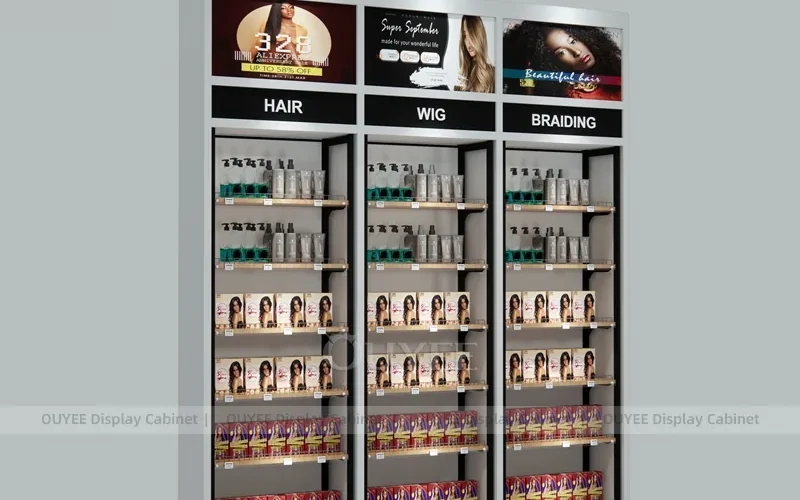
Unlike public-facing retail pharmacies, the operational backbone of an LTC pharmacy is its dispensing facility. Even in a closed-door setting, establishing a professional and efficient workspace is crucial for regulatory compliance and staff morale. Attention to the physical layout and overall eczane tasarımı ensures a smooth workflow.
While there is no single federal statutory definition of an LTC pharmacy, regulations from CMS functionally define it. They define it as a pharmacy under contract with an LTC facility. This subjects it to specific service requirements. This unique position means they must navigate a complex web of rules from State Boards of Pharmacy, the DEA, and state health departments responsible for facility oversight.
The Impact of Technology and “LTC-at-Home”
As of 2026, technology is the single biggest driver of change in the industry. Automated dispensing cabinets placed in facilities are becoming standard. AI-powered software that flags potential medication issues during regimen reviews is also standard. Telehealth consultations with pharmacists are becoming standard too. These technologies increase efficiency and add new layers of safety.
Furthermore, a significant emerging trend is the “LTC-at-Home” model. As more seniors choose to age in place, LTC pharmacy services are evolving to meet their needs outside of traditional facilities. Through home and community-based waiver (HCBS) programs, LTC pharmacies are now providing their specialized packaging, delivery, and clinical monitoring services directly to individuals in their own homes. This is blurring the lines between institutional and community care.
Frequently Asked Questions (FAQ) about LTC Pharmacy
- What is the legal definition of a long-term care pharmacy?
While there is no single federal statutory definition, the Centers for Medicare & Medicaid Services (CMS) functionally defines it as a pharmacy that is owned by or under contract with a long-term care facility to provide prescription drugs to the facility’s residents. This contract triggers specific service and regulatory requirements under Medicare Part D. - Who pays for long-term care pharmacy services?
The payment structure is multi-layered. The medications themselves are typically billed to the resident’s insurance plan (Medicare Part D, Medicaid, or a private plan). The facility often pays the pharmacy directly for value-added services like specialized packaging, delivery, eMAR access, and consultant pharmacist services, often through a per-diem or monthly service fee. - Can I use my own pharmacy if I’m in a nursing home?
Generally, no. For reasons of safety, accountability, and regulatory compliance, skilled nursing facilities contract with a single, exclusive LTC pharmacy to manage all resident medications. This ensures consistency in packaging, delivery schedules, and documentation. In some assisted living settings, you may have a choice, but using the facility’s contracted pharmacy is strongly encouraged to ensure integration with the facility’s care systems. - What is a consultant pharmacist?
A consultant pharmacist is a licensed pharmacist who provides expert advice on medication use and policy to long-term care facilities. Their primary and most critical role is to conduct Medication Regimen Reviews (MRRs) for each resident, aiming to optimize therapeutic outcomes, reduce the risk of adverse events, and ensure the facility remains compliant with federal and state regulations.
Sonuç
Choosing an LTC pharmacy seems daunting for a facility’s admin, especially with the qualification and decision to be made. However, if tackled with a proper structured approach, it is solvable.
Selecting the right pharmacy partner will enhance patient safety and medication management while improving operational performance. It involves evaluating the pharmacy’s service level agreement, licensing, customer support, technology, integration, training, consultation, and reporting functionalities.
Regardless of the choice, when a functional model is put in place and communication channels remain open, the partnership will be beneficial for the facility and pharmacy.
After all, the primary objective of these entities is to improve the quality of life for the older residents in long-term care facilities.










 Turkish
  English
  German
  Arabic
  French
  Spanish
  Italian
  Russian
  Portuguese
  Japanese