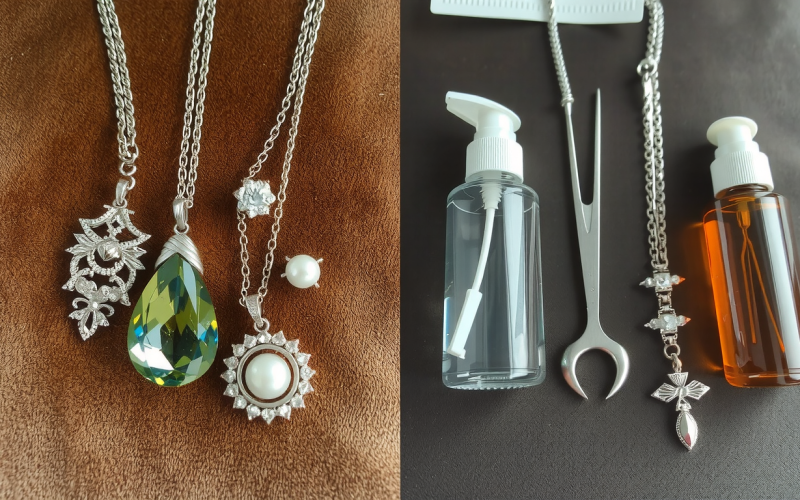
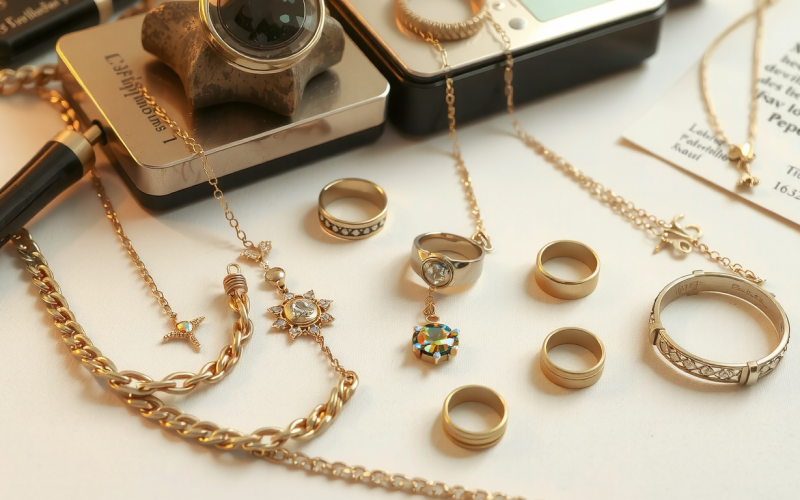
Finding rust on your favorite necklace or bracelet is disappointing. You might think your special piece is ruined forever. But we have good news. Most of the time, you can remove that ugly red-brown rust at home. You don’t need to be an expert. You don’t need fancy cleaners either. This guide will show you exactly how to clean rusty jewelry safely. We’ll walk you through everything. You’ll learn how to figure out what you’re dealing with. You’ll also learn the best ways to stop rust from coming back.
Principais Lições
- First, check if your jewelry has rust (red, flaky) or tarnish (dark, dull). Different problems need different fixes.
- Always find out what your jewelry is made of before cleaning. Harsh methods can damage plated items or pieces with stones. When in doubt, start with the gentlest method.
- Simple household items work great for removing rust. Try baking soda, white vinegar, and dish soap.
- The best way to deal with rust is to prevent it. Store your jewelry in a dry place. Wipe it clean after wearing it.
First, Is It Rust or Tarnish?
Before you start cleaning, you need to know what you’re fighting. Rust and tarnish look different. They need different treatments. Getting this right is the first step to success.
Rust is a red-brown coating. It can look flaky or create small pits in the metal. It happens when iron or steel meets oxygen and water. This process is called corrosion. Scientists call rust hydrated iron(III) oxide (Fe₂O₃·nH₂O). It mostly affects iron-based metals. If you have costume jewelry, rust may appear when a thin top layer wears off. This exposes the base metal underneath.
Tarnish is different. It’s a dark or dull layer on the metal’s surface. It can look black, gray, or yellow. Tarnish is common on silver, copper, and brass. It’s a surface chemical reaction. It’s not a breakdown of the metal itself. Knowing how to get rid of rust on jewelry starts with making sure it’s actually rust.
| Destaque | Rust | Tarnish |
|---|---|---|
| cURL Too many subrequests. | Reddish-brown, orange | Black, grey, yellow, or dull film |
| Texture | Flaky, bumpy, can be pitted | Smooth but dull surface |
| Common Metals | Iron, steel, iron-based alloys | Silver, copper, brass, bronze |
| Cause | Iron reacting with oxygen/moisture | Surface reaction with sulfur/air |
Before You Clean: A Safety-First Guide
Not all cleaning methods work for all jewelry. Using the wrong one can cause more harm than good. This is the most important step in learning how to clean rust from jewelry without damaging it. Let’s look at the different types of jewelry. Here’s what you need to know.
Solid metal jewelry is usually very strong. Items like stainless steel can handle more powerful cleaning methods. They can take some gentle scrubbing without getting damaged.
Plated jewelry is the biggest risk. This includes gold-plated or silver-plated items. These pieces have a very thin layer of precious metal. It sits over a cheaper base metal. Rough or harsh cleaning can easily strip this plating off. This exposes the base metal. It can make the problem worse. For these, you must only use the gentlest methods.
Jewelry with stones or pearls needs special care. The glues used to set stones can be weakened by soaking in water or chemicals. Some soft stones can also be damaged by acids like vinegar. For these pieces, it’s best to spot-clean the metal parts only. Avoid soaking the entire item.
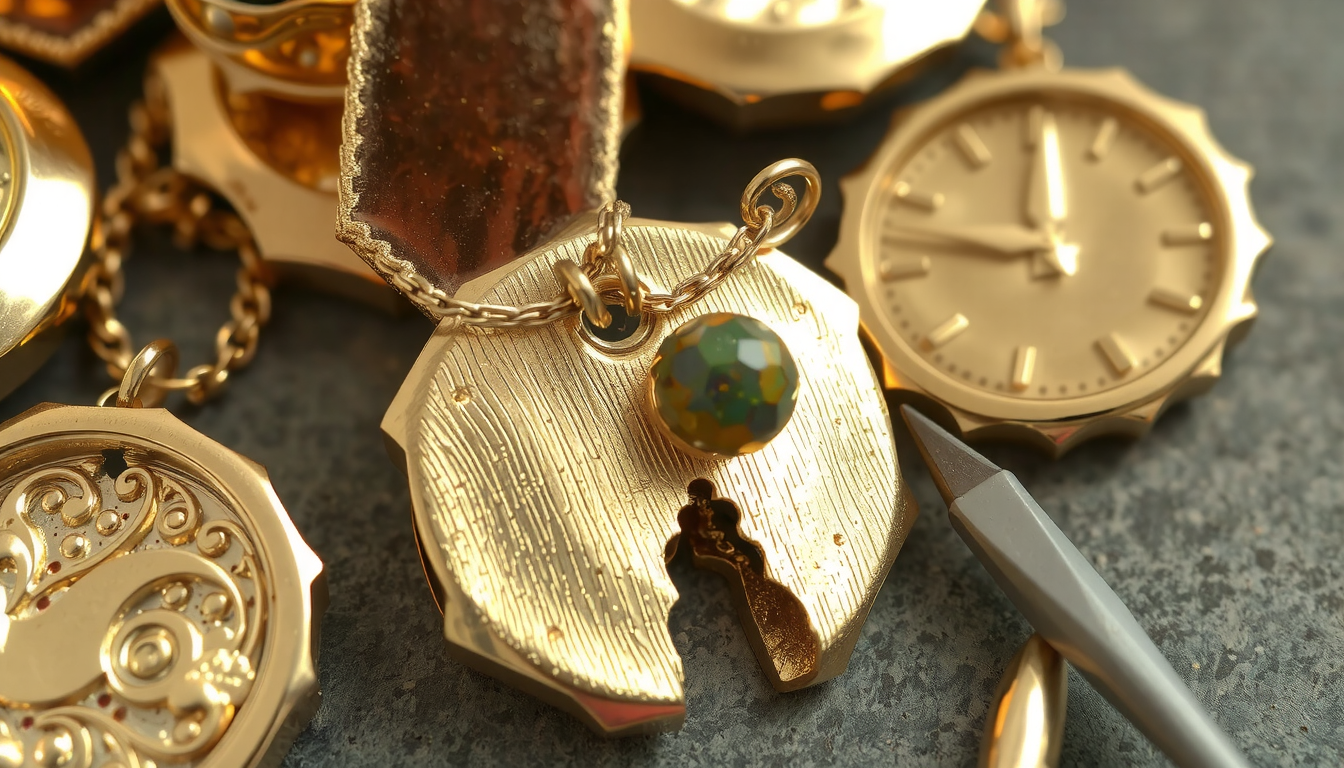
Costume or fashion jewelry is often made of unknown metals. It could be a mix of alloys. These might react in strange ways to cleaners. The best rule for these pieces is to test any cleaning method first. Try it on a small, hidden area. This will show you how to remove rust on jewelry of this type without causing damage.
| Tipo de Joia | Potential Risks | Recommended Approach |
|---|---|---|
| Solid Metal | Low risk of damage | Most methods are safe |
| Plated Jewelry | High risk of stripping the plating | Gentle methods only; no soaking |
| With Gemstones/Pearls | Damage to stones, glue, or settings | Spot-clean metal only; avoid soaks |
| Costume Jewelry | Unknown reaction to cleaners | cURL Too many subrequests. |
cURL Too many subrequests.
cURL Too many subrequests.
cURL Too many subrequests.
cURL Too many subrequests.
- cURL Too many subrequests. cURL Too many subrequests. cURL Too many subrequests. cURL Too many subrequests.. cURL Too many subrequests.
- cURL Too many subrequests.
- cURL Too many subrequests.
- cURL Too many subrequests.
- cURL Too many subrequests.
cURL Too many subrequests.
cURL Too many subrequests.
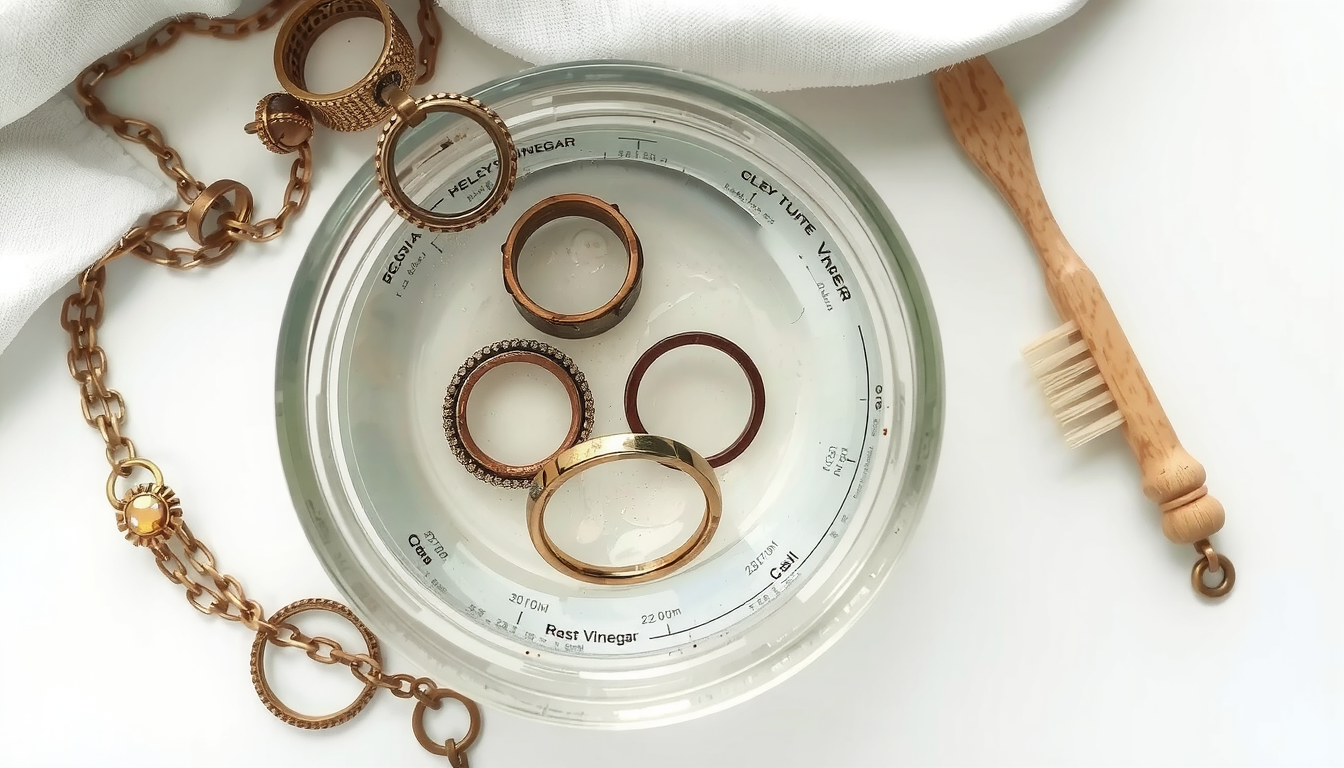
- cURL Too many subrequests. cURL Too many subrequests. or cURL Too many subrequests. into a small bowl. Make sure it completely covers the jewelry.
- Let it soak: Place the jewelry in the liquid. The soaking time depends on the rust. For light rust, 30 minutes might be enough. For heavy rust, you might need a few hours. Sometimes you need overnight.
- Gently scrub: After soaking, use a soft-bristled toothbrush. Gently scrub away any remaining rust spots. The rust should come off easily. A step-by-step guide to using vinegar highlights its power to dissolve rust.
- Rinse and dry: Rinse the piece thoroughly with water. This removes all the acid. Dry it completely with a soft cloth.
Method 3: The Chemical Reaction
This popular method uses a simple chemical reaction. It removes both rust and tarnish. It’s very effective. But you should NOT use it on plated jewelry. Don’t use it on pieces with glued-in stones either.
- Set up the bowl: Line a small bowl with a piece of aluminum foil. Put the shiny side up.
- Mix the solution: Add about a cup of hot water to the bowl. Stir in one tablespoon of cURL Too many subrequests.. Add one tablespoon of salt. Stir until they dissolve.
- Add the jewelry: Place your jewelry into the bowl. Make sure the metal of the jewelry touches the aluminum foil. This is key for the reaction to work.
- Watch it work: You may see small bubbles forming. Let the jewelry sit for 5 to 10 minutes. This popular method is detailed in guides like wikiHow’s on cleaning necklaces. It works wonders on the right materials.
- Remove and rinse: Carefully remove the jewelry. Rinse it under cool water. Pat it dry completely.
Method 4: The Mildest Approach
If you’re dealing with plated jewelry, this is your go-to method. It also works for pieces with delicate stones. It’s more for cleaning grime and preventing buildup. It won’t remove heavy rust. But it’s the safest first step for any piece.
- Create a sudsy bath: Add a few drops of mild dish soap to a bowl of warm water.
- Gently wash: Dip a soft cloth or your fingers into the soapy water. Gently rub the jewelry. This helps remove oils and dirt that can trap moisture.
- Rinse carefully: Rinse the piece under a gentle stream of warm water.
- Dry, dry, dry: Pat it completely dry with a soft cloth. This simple cleaning is a great way to maintain your collection. It prevents the need for a deeper clean later.
Which Cleaning Method Is Right for You?
Feeling unsure about which method to choose? This table breaks it down to help you decide. Finding the right way for how to clean rusty jewelry depends on matching the problem with the right tool.
| Method | Melhor Para | Nível de Risco | Time Required | Key Takeaway |
|---|---|---|---|---|
| cURL Too many subrequests. | Light rust, plated jewelry, delicate pieces | Baixo | 5-10 minutes | The gentlest and safest option for most jewelry. |
| Vinegar/Lemon Soak | Stubborn rust on solid, durable metals | Médio | 30 mins – 8 hours | Powerful acid soak, but requires caution. Not for plated items. |
| Foil & Baking Soda | Rust and tarnish on non-plated metals | Médio | 5-15 minutes | Uses a chemical reaction. Do not use on plated or gemstone pieces. |
| cURL Too many subrequests. | cURL Too many subrequests. | Muito Baixo | cURL Too many subrequests. | cURL Too many subrequests. |
cURL Too many subrequests.
cURL Too many subrequests.
cURL Too many subrequests.
cURL Too many subrequests.
cURL Too many subrequests. vitrine de joias cURL Too many subrequests. Ouyee Display cURL Too many subrequests. design de loja de joias cURL Too many subrequests.
cURL Too many subrequests.
cURL Too many subrequests.
cURL Too many subrequests.
cURL Too many subrequests.
cURL Too many subrequests.
cURL Too many subrequests.
cURL Too many subrequests.
cURL Too many subrequests.
* The jewelry is a valuable antique or a family heirloom with special meaning.
* The rust is very deep and has created pits or holes in the metal.
* The piece has very delicate settings. Or it features fragile stones like opals or pearls.
* You’ve tried the safe DIY methods and they failed to get rid of the rust on the jewelry.
* The plating on the jewelry is already flaking or peeling off.
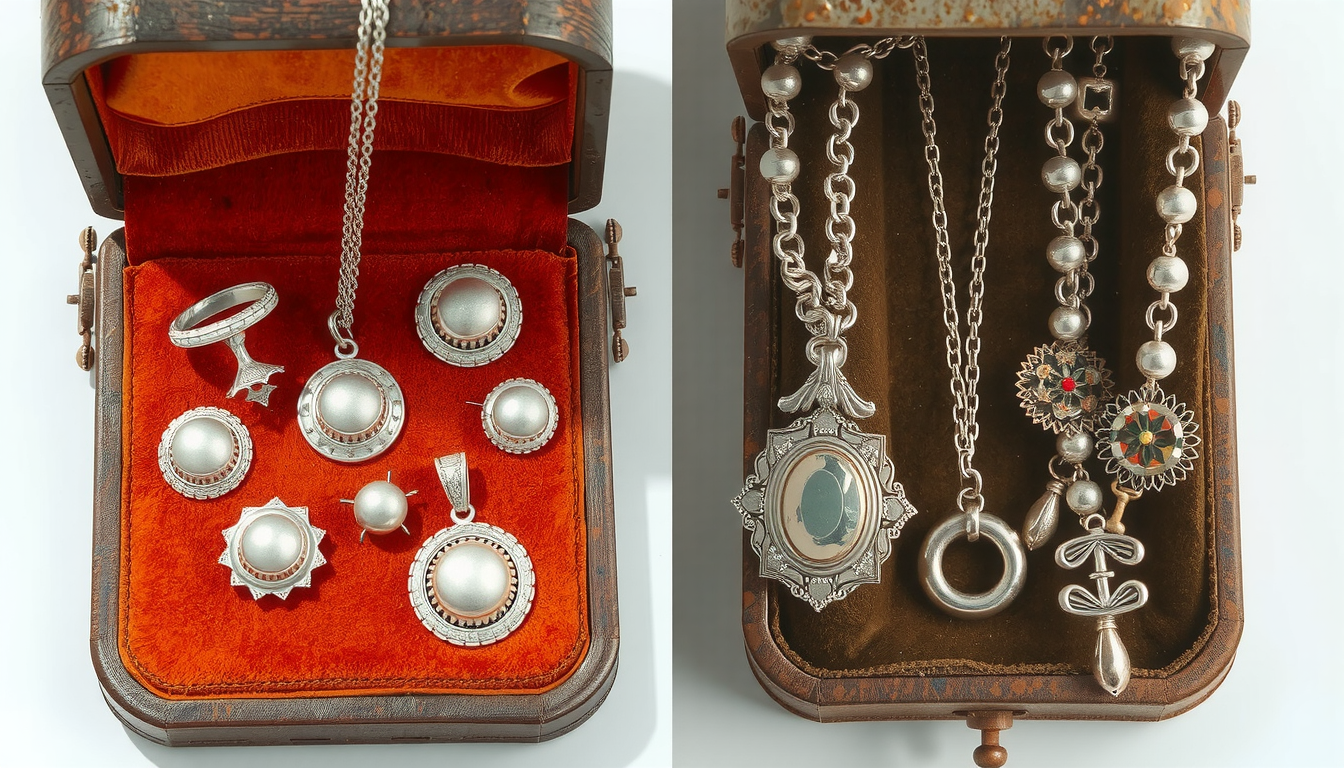
A professional jeweler has tools and skills we don’t have at home. They can use ultrasonic cleaners. They have professional-grade polishing wheels. They can even re-plate a piece to make it look brand new. A professional jeweler can also check the condition of your pieces. They can recommend proper storage. This is much like what you’d find in a high-end de vitrines de joias‘s setup.
FAQ: Your Questions Answered
Here are answers to some common questions about how to remove rust from jewelry.
Can I use toothpaste to clean rusty jewelry?
We advise against using toothpaste. While some people suggest it, many kinds of toothpaste contain rough ingredients. These are too harsh for jewelry. They can leave tiny scratches on metal surfaces. They might even strip off thin plating. The methods we described above are much safer.
How can I tell if my jewelry is plated?
Look for small markings on the clasp or an inside surface. Stamps like “GP” (gold plated), “HGE” (heavy gold electroplate), or “EP” (electroplated) are clear signs. If there are no marks and the item was cheap, it’s safest to assume it’s plated. You can also look for areas where the color has worn off. This reveals a different colored metal underneath.
Will cleaning rust off my cheap fashion jewelry work?
It often can! Success depends on the base metal and how bad the rust is. If rust is just on the surface, the gentle baking soda or dish soap methods have a great chance of working. If the plating is gone and the metal underneath is deeply rusted, it might be impossible to fully restore its original look. Always test a hidden spot first.
My jewelry has both rust and tarnish. What do I do?
The baking soda, salt, and aluminum foil method is a great choice for this. It creates a chemical reaction that works against both rust and tarnish. Try that method first. If any stubborn rust spots remain, you can then spot-treat them with the baking soda paste.
What is the fastest way to get rust off of jewelry?
For very light rust, a quick scrub with a baking soda paste is the fastest option. For heavier rust on a durable, solid metal piece, a short soak in vinegar followed by a scrub can work in under an hour. However, remember that “fastest” is not always “safest.” Always put the safety of your jewelry first by thinking about its material.
Conclusion: Enjoy Your Restored Jewelry
Finding rust on your jewelry doesn’t have to be a disaster. As you’ve seen, a little rust doesn’t mean the end for your favorite pieces. With a bit of knowledge and some common household items, you can bring back their shine and beauty.
Remember the simple three-step formula for success. First, identify your jewelry’s material to keep it safe. Second, choose the right gentle method to remove rust from the jewelry. And third, practice good care to keep it from coming back. Now you can confidently wear and enjoy your restored, sparkling jewelry once again.
Por favor, forneça o texto em inglês que deseja que eu traduza para o português (Brasil).
Por favor, forneça o texto em inglês que deseja que eu traduza para o português (Brasil).
Por favor, forneça o texto em inglês que deseja que eu traduza para o português (Brasil).