
平均收入状况:数据真正反映了什么
如果你在问 “珠宝店老板赚多少钱?”,你实际上在问两个问题:
- 什么是 典型的净收入,以及
- 珠宝店 能够实际产生多少 利润?
让我们用简单的数字来分析一下。
全国概况:典型珠宝店老板收入
在中国,独立珠宝店老板通常落在以下范围:
- 低端(新开/挣扎中的店): 每年\$35,000–\$60,000
- 稳固、稳定的店: 每年\$70,000–\$150,000 (常见范围)
- 高绩效者/多家门店/强势品牌: 每年超过\$200,000
这些数字反映了 业主补偿,可以作为薪水、提取或利润分配——这取决于企业的结构。
按小时与年收入:业主实际赚取的收入
大多数珠宝店业主并不是按小时支付薪水,但如果我们根据每周工作50到60小时进行反推:
| 年业主收入 | 大约每周工作小时 | 隐含小时工资 |
|---|---|---|
| \$50,000 | 50–55 | \$18–\$20 |
| \$90,000 | 50–55 | \$32–\$35 |
| \$150,000 | 55–60 | \$48–\$55 |
| \$250,000 | 55–60 | \$80–\$90+ |
所以当有人问, “珠宝店业主每小时赚多少钱?”,真正的答案是:这在很大程度上取决于 销售额、利润率和间接费用,而不仅仅是工作小时数。
利润与薪水:钱的真正来源
一家珠宝业务可以 看起来很忙碌 但如果利润和成本没有控制,仍然会给老板支付很少的钱。这就是为什么你需要分开:
- 收入: 总销售额(顶线)
- 毛利润: 收入减去销售成本(COGS)
- 净利润 / 老板收入: 在所有费用和你的工资之后剩下的
典型的 毛利率 在珠宝零售(尤其是在中国)大致如下:
| 产品类型 | 成本的典型加价 | 典型毛利率 |
|---|---|---|
| 时尚珠宝 | 3x–5x | 65%–80% |
| 黄金链条/基本款 | 2x–3x | 50%–65% |
| 钻石订婚戒指 | 1.3x–2.5x | 25%–60% |
| 奢侈品牌手表 | 1.3x–2x | 25%–50% |
示例场景:
- 年收入: \$1,000,000
- 平均毛利率: 50% → \$500,000 毛利
- 运营费用 (租金、工资、营销、保险等):\$350,000
- 业主薪酬前的净利润: \$150,000
从那\$150,000中,你可能会:
- 给自己支付一个 9万美元的薪水,以及
- 领取 6万美元作为利润分配,或者
- 将大部分或全部作为业主提款,正式薪水最低
所以当我们谈论 “珠宝店主的平均薪水”, 时,我们实际上是在谈论 净利润加上你选择支付给自己的正式薪水。你控制的 成本、加价和库存效率, 越多,这个数字就越高。
影响珠宝店主收入的关键因素
珠宝店主的收入并不是随机的。这取决于几个核心因素:你的位置、你如何经营商店、你销售的产品,以及你周围经济的状况。
位置和当地人口统计
你的邮政编码可以决定你的收入。
- 高收入社区 (家庭收入较高的郊区、繁忙的市中心、旅游区)通常支持更高的价格点、更好的珠宝店利润率和更频繁的赠礼场合。
- 人流量 + 停车 位置显眼、停车方便的商店几乎总是会胜过隐蔽、难以到达的地方。
- 人口统计 推动产品组合:
- 年轻地区 = 时尚珠宝、婚礼珠宝、实验室培育钻石
- 老旧、成熟的地区 = 精美珠宝、传家宝升级、维修
当我选择地点或咨询店铺布局时,我总是从附近的居民、他们的购物方式以及他们多久会经过我的门开始。
店铺规模和商业模式
珠宝店主的收入还取决于业务的结构:
- 小型独立精品店
- 租金和员工成本较低,但库存和营销有限
- 适合定制工作和更严格的成本控制
- 中型零售店
- 更多的库存和品牌,较高的月度开销
- 如果客流量强劲,潜在收入更高
- 高端或全方位服务店
- 评估、维修、定制设计、手表
- 更高的收入潜力,但需要大量投资和熟练的员工
合适的 店铺规模 是关于平衡:足够大以产生可观的收入,但又足够精简,以至于租金、设备和工资不会压缩你的利润。
产品组合、定价和加价
你的产品组合和定价策略直接影响你带回家的收入。
- 典型的加价:
- 时尚珠宝:批发价格为2.5倍至4倍
- 钻石婚戒:根据品牌和竞争情况,价格为1.5倍至3倍
- 维修和定制工作:通常是店内利润最高的商品
- 平衡组合:
- 核心产品:订婚戒指、结婚戒指、周年纪念品
- 附加产品:耳环、链条、手链、时尚饰品
- 服务:调整尺寸、镶嵌、清洁、修复
确定合适的加价是一场持续的游戏:既要高到保护利润,又要有竞争力以防止顾客转向线上购物。
经济变量和市场条件
即使是管理最好的珠宝店也与经济息息相关。
- 利率和通货膨胀 影响像钻石珠宝和奢侈手表这样的高价商品购买。
- 经济衰退或裁员 会减缓高档珠宝的销售,但可能会增加维修工作和以旧换新。
- 在线竞争 迫使你在价值、信任和经验上竞争,而不仅仅是价格。
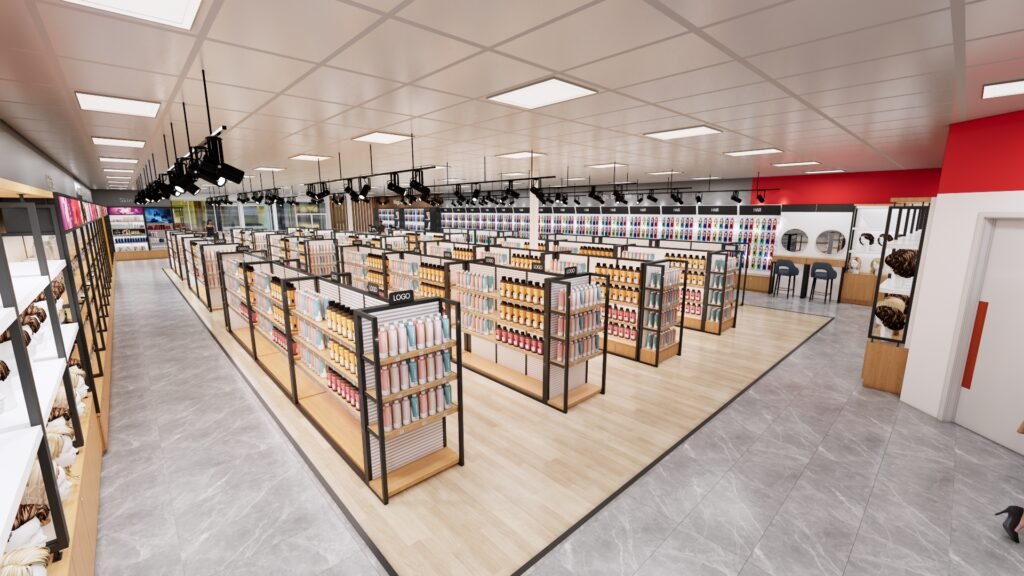
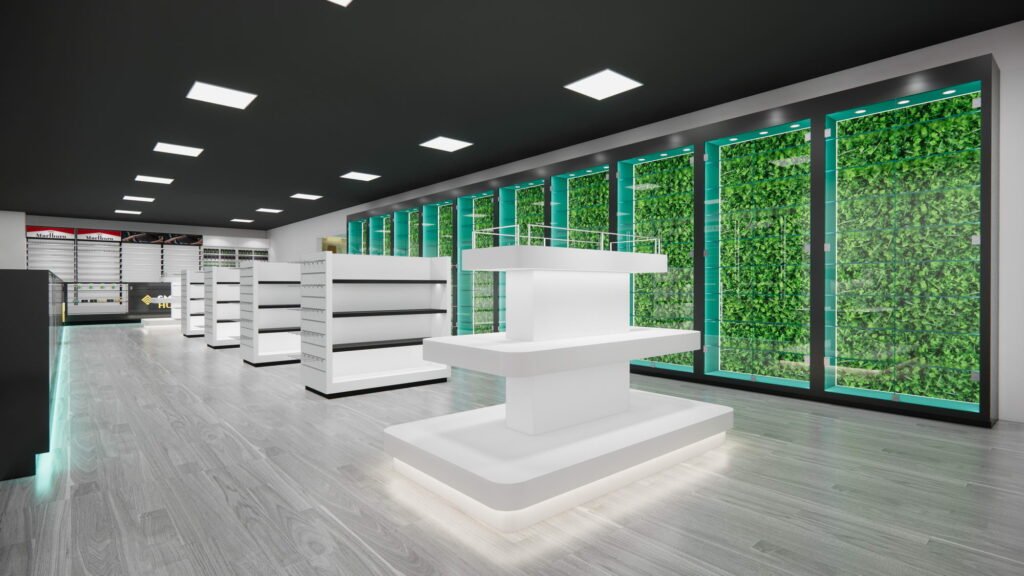
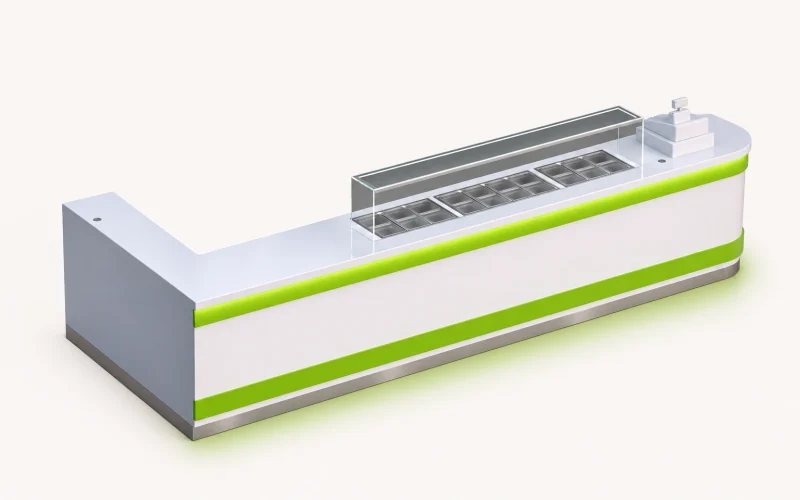
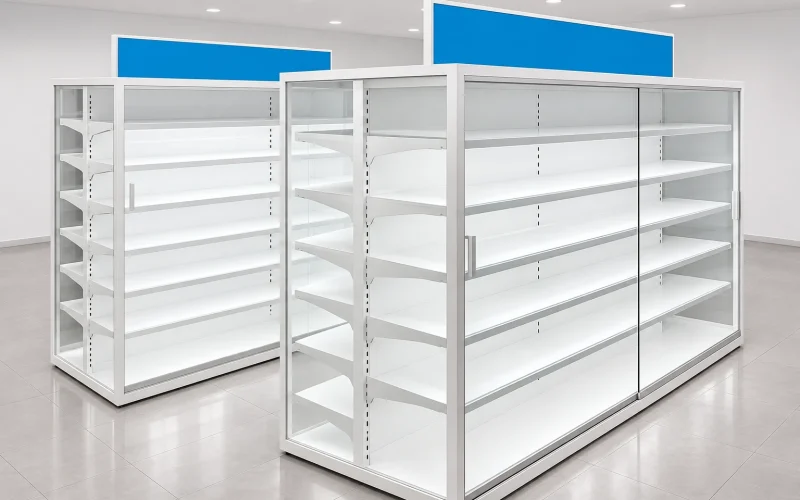
这就是为什么我密切关注当地趋势,并保持我的成本结构灵活——谈判租约,使用模块化展示架(如可调展示柜而不是内置柜),并根据需求调整库存。 使用类似于高效商店柜台设计的灵活模块化展示架 使得快速重新陈列变得更容易,而无需承担高额的建设成本。
简而言之: 位置、店铺模式、产品组合和经济 是决定中国珠宝店老板收入的四大驱动因素——而那些积极管理这四个因素的老板通常赚得最多。
启动和运营成本:对珠宝店利润的隐性消耗
当人们询问时, “珠宝店老板赚多少钱?”, 他们通常低估了启动和运营成本中占用的现金。如果不控制这些,你的利润率会迅速被压缩。
初始投资和库存成本
你最大的前期支出通常是:
- 租赁改进和装修: 根据规模和位置,费用在20,000元至150,000元以上。高端地区和购物中心的费用更高。
- 展示柜、照明和安全: 费用在10,000元至80,000元以上
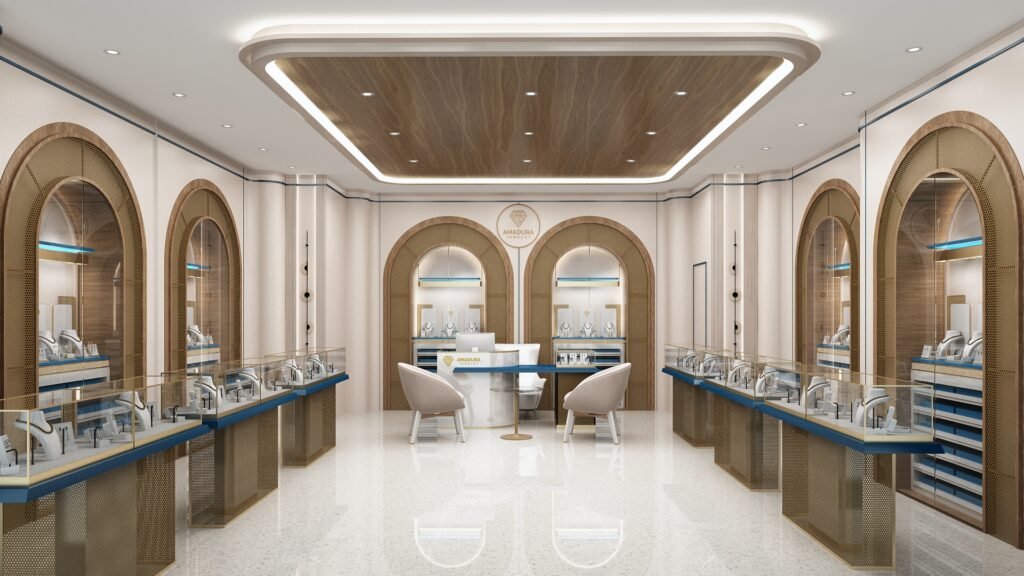
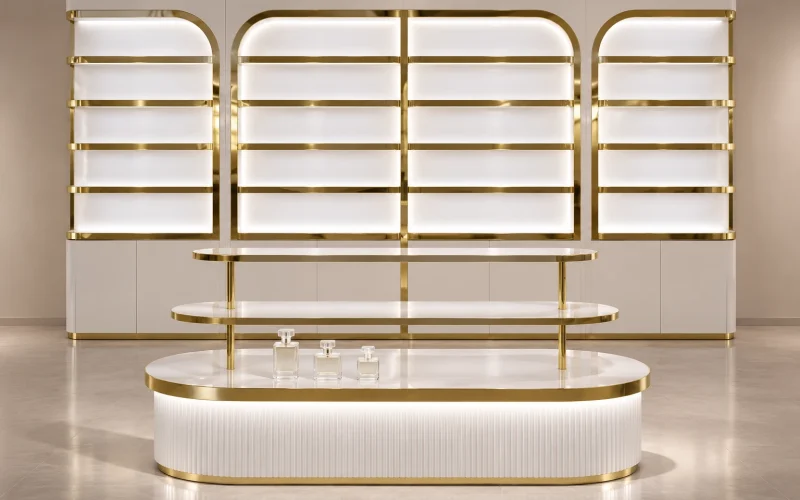
- Smart use of modular jewelry showcases and good lighting lets you look high-end without overspending. (If you want an example of flexible, lockable displays with lighting, check out these jewelry showcase types with lighting and security options.)
- Initial inventory: Often 30%–60% of your total startup budget
- Small starter store: $40,000–$100,000 in inventory
- Mid/high-end store: $150,000–$500,000+
- Licenses, insurance, POS, website, branding: $5,000–$25,000+
Inventory is where most new owners overextend. Every slow-moving item is cash sitting in a glass box.
Ongoing Expenses: Rent, Labor, Inventory Holding
Once you’re open, your monthly burn rate determines how much you actually keep.
Typical monthly costs:
- Rent & common area fees: Often 8%–15% of sales in decent locations.
- Payroll (including your own draw): Usually 15%–25% of sales for most jewelry stores.
- Inventory holding costs:
- Insurance on stock
- Interest on loans/credit lines
- Lost opportunities from money stuck in dead inventory
- Other overhead: Utilities, merchant fees, packaging, cleaning, light marketing, basic maintenance.
A lot of jewelry store owners who look successful are just covering these fixed costs and barely paying themselves.
Simple Break-Even Analysis (With Formulas)
To know how much you must sell before you make a profit, use this simple formula:
Break-even sales (in dollars) = Fixed Costs ÷ Gross Margin %
- Fixed costs: Rent + payroll + insurance + utilities + basic marketing + software, etc.
- Gross margin %:
[
\text{Gross Margin \%} = \frac{\text{Sales} – \text{Cost of Goods Sold}}{\text{Sales}}
]
示例:
- Fixed monthly costs = $25,000
- Average gross margin = 50% (0.50)
[
\text{Break-even sales} = \frac{25,000}{0.50} = 50,000
]
So you must sell $50,000/month just to not lose money. Only after that do you start earning what people think of as “jewelry store owner income.”
Cost-Saving Tips Using Modular Fixtures
You can cut your startup and operating risk with smart fixtures and layout:
- Use modular showcases instead of custom millwork:
- Cheaper upfront
- Easy to reconfigure for holidays, pop-ups, or new product lines
- Easier to move if you relocate or expand
- Prioritize lighting over fancy décor:
- Good spot and LED lighting sell jewelry better than expensive wall finishes.
- Design for security from day one:
- Lockable cases, clear sightlines, and built-in security hardware reduce insurance risk and shrinkage.
Modular, professional fixtures let you test concepts, adjust your store layout, and scale without rebuilding your entire space every time—keeping more of your revenue as actual owner profit.
Revenue Streams Beyond Core Sales: How Much Do Jewelry Store Owners Make From Diversifying?
If you want to increase how much jewelry store owners make, you can’t rely on ring and necklace sales alone. The stores that pull in steady profits layer multiple revenue streams on top of core sales.
Optimize Core Jewelry Sales Margins
Your main products still drive the bulk of your income, so tighten up margins first.
- Know your target margins
- Fashion/silver jewelry: keystone or better (2.0–2.5x cost)
- Fine gold and diamond jewelry: 2.0–3.0x cost, depending on brand and exclusivity
- Bundle and upsell: ring + care plan, earrings + cleaning kit, necklace + extended warranty.
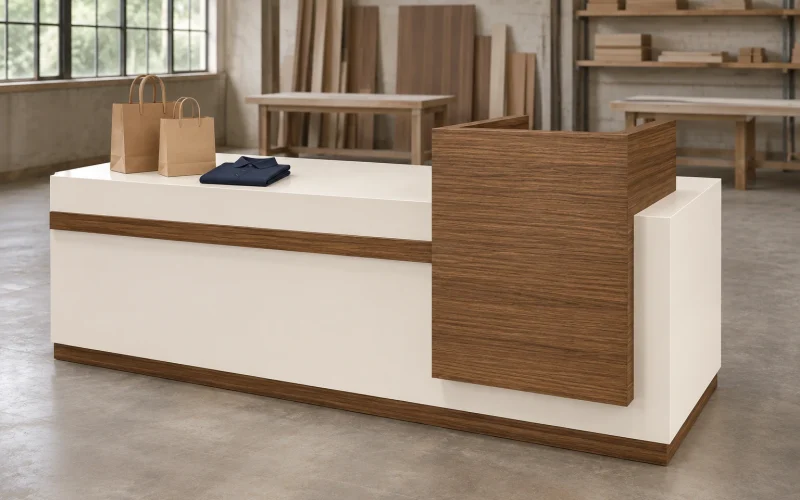
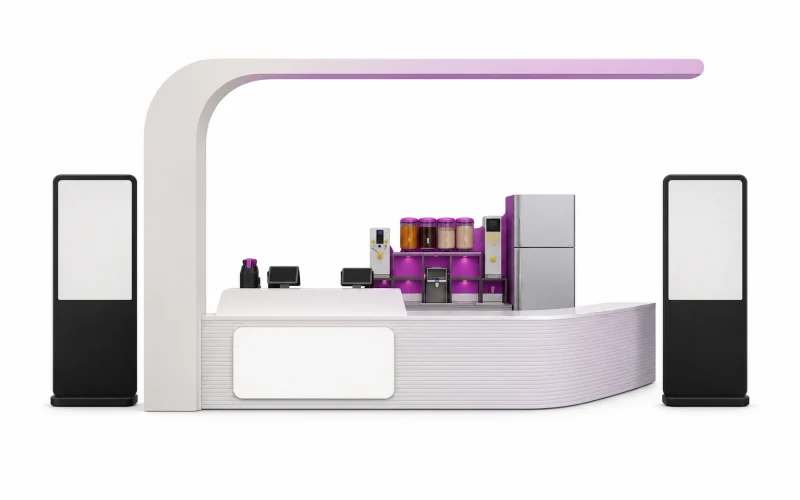
- Use displays to drive high-margin sales: place high-margin items at eye level and in your primary traffic path. A well-planned layout similar to a premium diamond store front and reception design can push customers toward your most profitable pieces.
Ancillary Income: Repairs, Custom Work, and Watch Services
These services are where a lot of hidden profit lives and can smooth out slow retail months.
- Repairs
- Ring resizing, prong retipping, soldering, chain repair, clasp replacement.
- Labor is high-margin; materials cost is low relative to the ticket.
- Custom jewelry
- CAD design fees, design deposits, and higher markups on one-of-a-kind pieces.
- Attracts higher-income clients and boosts your perceived expertise.
- Watch services
- Battery changes, band sizing, polishing, and basic servicing.
- Fast, repeat business that brings customers back into your store, where they often browse and buy more.
These services can turn a “just a cleaning” visit into a profitable multi-service ticket and directly lift the average income of a jewelry business owner.
Expand Digitally With E‑Commerce
A strong online presence can dramatically change how much jewelry store owners make, especially in the U.S. where customers browse online first.
- Start with a focused catalog: best-selling engagement rings, everyday necklaces, popular gift items.
- Offer buy-online-pickup-in-store (BOPIS) to cut shipping costs and increase in-store add-on sales.
- Use social proof: reviews, before/after repair photos, “real customer” gallery.
- Leverage social + local SEO: Google Business Profile, Instagram, Facebook, and short-form video showing unboxings and behind-the-scenes work.
Loyalty Programs and CRM: Turn Buyers Into Repeat Clients
Repeat clients are where long-term jewelry store profit margins really stabilize.
- Simple loyalty structure
- Points per dollar spent, birthday discounts, anniversary reminders.
- VIP cleaning and inspection events for customers over a certain spend level.
- Use a CRM to track
- Purchase history (engagement ring now, anniversary band later).
- Sizing, style preferences, important dates.
- Automated follow-ups
- 6-month cleaning reminders.
- “We noticed you love white gold” curated offers.
- Holiday gift suggestions based on past buys.
When you stack higher margins, service income, e‑commerce, and loyalty-driven repeat business, the question “how much do jewelry store owners make?” shifts from surviving to building a consistently profitable operation.
Real-World Case Studies: How Much Jewelry Store Owners Make
Entry-Level Jewelry Store Owner Success
I see new owners starting small and still doing well when they stay lean and focused. A common profile:
- 位置: secondary city or suburb
- Setup: 600–900 sq ft, basic showcases, tight inventory
- 年收入: \$250,000–\$500,000
- Owner take-home (after expenses): roughly \$55,000–\$90,000
- What works:
- Narrow product mix (engagement rings + a few strong fashion lines)
- Aggressive Google reviews strategy
- Low fixed costs (modular fixtures, short lease terms, limited staff)
One first-time owner I worked with hit \$400k in sales by year 3 by focusing almost entirely on bridal and repairs instead of trying to be “everything jewelry.”
Mid-Market Hybrid Jewelry Store Profiles
The real earning jump usually comes when a store blends brick-and-mortar plus strong services and online visibility.
Typical mid-market hybrid:
- 位置: busy suburb or smaller city downtown
- Setup: 1,000–1,800 sq ft, branded showcases, in-house bench jeweler
- 年收入: \$700,000–\$1.5M
- Owner take-home: generally \$120,000–\$250,000
- Main revenue mix:
- 55–70%: fine jewelry and bridal sales
- 15–25%: repairs, resizing, cleaning plans
- 10–20%: custom design and remounts
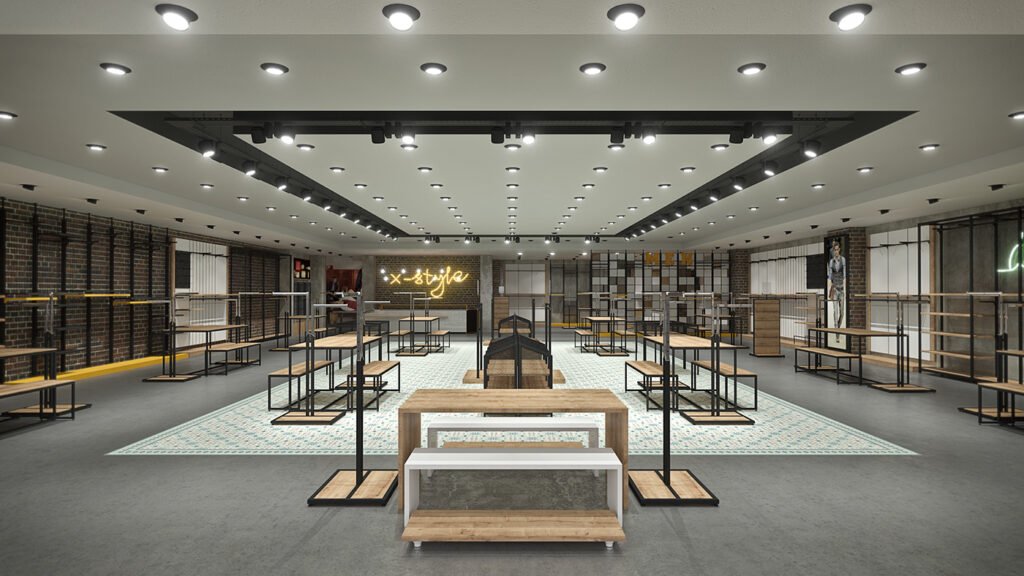
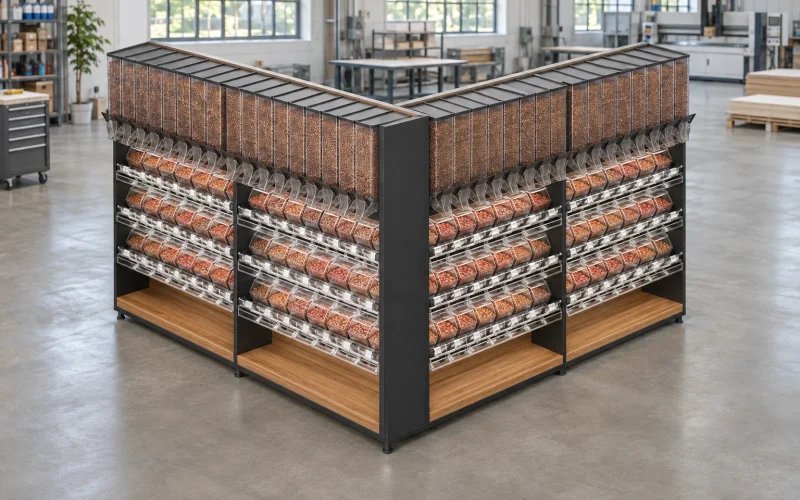
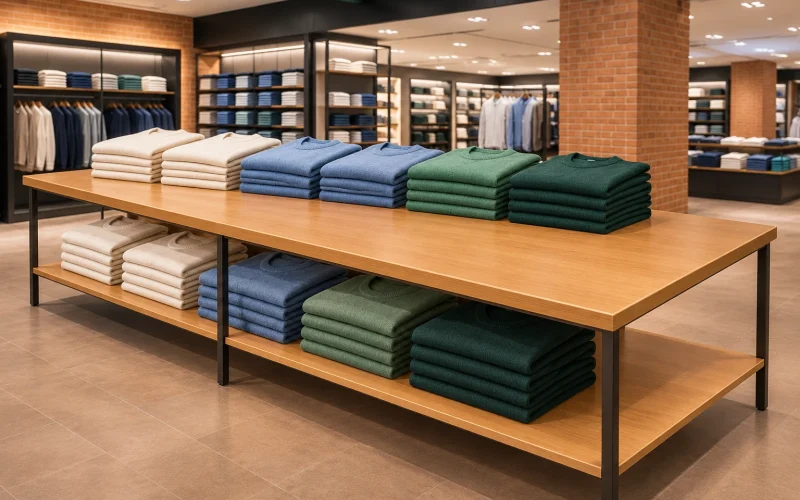
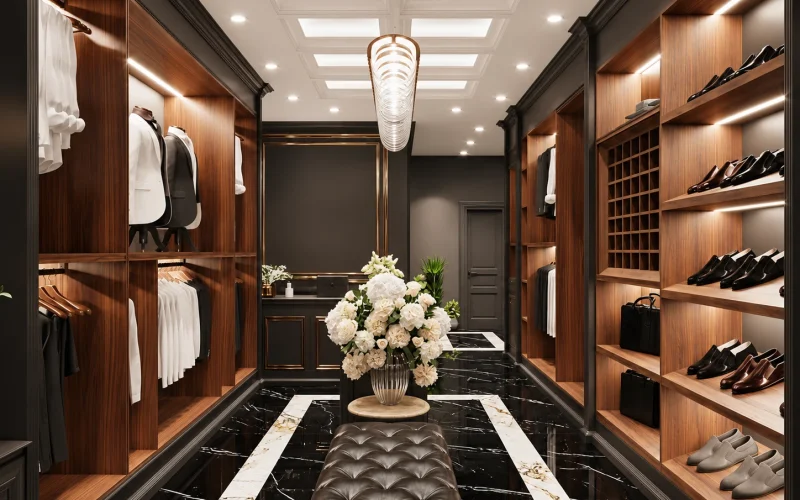
Owners in this range usually modernize their layout with flexible fixtures (similar to how modular retail clothes racks work in apparel), so they can rotate collections quickly and test higher-margin lines.
High-End Earners & Full-Service Jewelry Models
High-end full-service jewelers run a very different game: high trust, high-ticket, and full in-house services.
Common setup:
- 位置: affluent metro area, luxury district, or destination downtown
- Setup: 2,000+ sq ft, premium build-out, branded experience
- 年收入: \$2M–\$6M+
- Owner take-home (including profit distributions): often \$350,000–\$900,000+, depending on debt and reinvestment
- Key features:
- Custom design as a core offer
- In-house CAD + bench work
- Watch services and luxury pre-owned pieces
- Private appointments and VIP events
At this level, owners treat the store like a full-service studio and relationship hub, not just a jewelry shop.
Common Lessons & Operational Pivots
Across all earning levels, the jewelry store owners making real money tend to do the same things:
- Nail one niche first. Most started by owning a lane (bridal, custom, or repairs) before branching out.
- Watch inventory like a hawk. They cut slow movers fast and avoid overbuying seasonal trends.
- Lean into services. Repairs, custom work, and watch services smooth cash flow when retail sales dip.
- Invest in presentation. Clean layouts, professional lighting, and adaptable fixtures (like modular systems used in other retail build-outs) consistently boost conversion and average ticket.
- Track data, not feelings. The top earners know their monthly break-even, margins by category, and top 20 SKUs by profit—not just by sales.
If you want income like the stronger case studies, your main levers are tight cost control, disciplined inventory, and a clear market position—not just more showcases and more SKUs.
Proven Strategies to Boost Jewelry Store Earnings in 2026
Smarter Inventory Management & Just‑in‑Time Ordering
If you want higher profits, fix inventory first. Cash sitting in slow-moving rings is cash you can’t use.
- Track sell‑through rate by category (bridal, fashion, watches, custom) weekly.
- Cut SKUs that don’t sell in 60–90 days and double down on proven winners.
- 使用 just‑in‑time ordering with key suppliers:
- Smaller, more frequent orders
- Vendor consignment where possible
- Pre-sell high-ticket items (bridal, custom) with deposits before you order
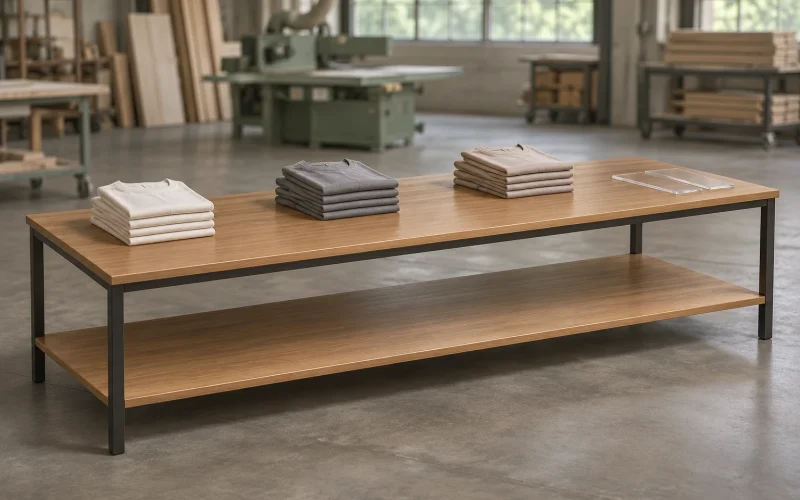
Tight inventory plus clean, modular displays makes product look premium without overstocking. I like using modular fixtures similar to high-end clothing store furniture layouts so I can refresh the visual story without buying more product, similar to how high-end fashion retailers plan their store furniture.
Local SEO & Omnichannel Marketing That Actually Brings Foot Traffic
Most jewelry buyers in the U.S. start online—even if they buy in-store.
Make sure you show up where they look:
- Google Business Profile fully optimized:
- Real photos of your cases, custom bench, and staff
- Weekly posts: new arrivals, proposals, repairs, before/after shots
- Ask for reviews after every big sale or repair
- Local SEO basics:
- “Jewelry store near me,” “engagement rings [your city],” “jewelry repair [your city]”
- Location pages for each store if you’re multi-location
- Omnichannel:
- Same promos online and in-store
- Offer “reserve online, view in-store”
- Live video walk-throughs of new collections on Instagram/TikTok
The goal: your website, social, and store feel like one seamless experience.
Cost Control: Supplier Negotiations & Smart Outsourcing
Profit isn’t just about revenue; it’s what you keep.
- Negotiate with suppliers:
- Better terms on volume
- Extended payment terms on high-ticket inventory
- Ask for marketing support, co-op dollars, or samples for events
- Outsource what doesn’t need to be in-house:
- Complex CAD/custom design overflow
- Specialized watch repair
- Some back-office tasks (bookkeeping, social media execution)
Reinvest those savings into higher-margin lines, better lighting, and upgraded fixtures that elevate perceived value without bloating costs.
Future Trends: Sustainable Sourcing & AR Try‑Ons
U.S. shoppers—especially Gen Z and Millennials—are asking harder questions and want a smoother buying experience.
To stay ahead:
- Sustainable & ethical sourcing
- Offer lab-grown diamonds and recycled metals
- Be transparent about origin and certifications
- Tell the story on tags, displays, and your website
- AR try-ons & digital tools
- Virtual try-on for rings, earrings, and necklaces on your site
- Simple smartphone-based sizing and style quizzes
- In-store tablets for custom design previews
Combine this with a clean, modern showroom layout and flexible display systems (think modular, reconfigurable cases instead of built-ins) so you can pivot quickly as trends shift without constant remodel costs.
These moves directly impact how much jewelry store owners make by increasing margin per sale, cutting waste, and pulling in higher-intent customers both online and in-store.
Challenges and Risks: Why Jewelry Store Owners Don’t Always Make What They Should
Overstocking and Seasonal Slumps
Jewelry store owners make a lot less when cash is trapped in slow inventory. The big killers are:
- Overstocking before holidays and then discounting heavily in January
- Betting too hard on trends (lab-grown, certain fashion lines) that cool off fast
- Tying up cash in high-ticket pieces that barely move
What I do to protect profit:
- Set weekly turn goals for core items (bridal, studs, chains)
- Use small, flexible orders with suppliers instead of huge seasonal buys
- Track sell-through by category and cut back anything that sits more than 90 days
Economic Headwinds and Online Competition
When the economy tightens, “want” purchases pause first—and jewelry is a “want” for most shoppers.
Big pressure points:
- Price comparison against online-only brands with lower overhead
- Shoppers using your store as a showroom, then buying online
- Higher financing costs and slower big-ticket sales
To stay competitive:
- Compete on service, trust, and expertise, not just price
- Offer buy online, pick up in-store and local delivery
- Focus on lifetime value: bridal → anniversaries → upgrades
Work-Life Balance and Burnout
Jewelry store owners make more money when they’re thinking clearly—not when they’re exhausted working every open hour.
Red flags:
- You’re the buyer, salesperson, merchandiser, bookkeeper, and cleaner
- You can’t step away without sales dropping
- You’re skipping days off during peak seasons just to keep up
How I keep it sustainable:
- Standardize sales processes so staff can sell without me
- Block one non-negotiable day off weekly, even in Q4
- Outsource bookkeeping and basic marketing so I can focus on revenue drivers
Risk Assessment Tools for Stable Earnings
If you want to know how much jewelry store owners make long term, the answer depends on how well they manage risk. A few tools I rely on:
- Monthly cash flow forecast (at least 3–6 months out)
- Inventory aging reports (30/60/90+ days) to flag dead weight
- Break-even and worst-case scenarios for rent increases, slow seasons, or supplier issues
- Business interruption and theft insurance tuned specifically to jewelry retail
Even the best-designed stores and fixtures—whether custom builds or modular pieces like high-end boutique clothing displays adapted for jewelry—won’t fix a broken risk strategy. Lean inventory, tight cash management, and realistic workload planning are what keep profits steady when the market gets rough.


 Chinese
 English
 German
 Arabic
 French
 Spanish
 Italian
 Russian
 Turkish
 Portuguese
 Japanese