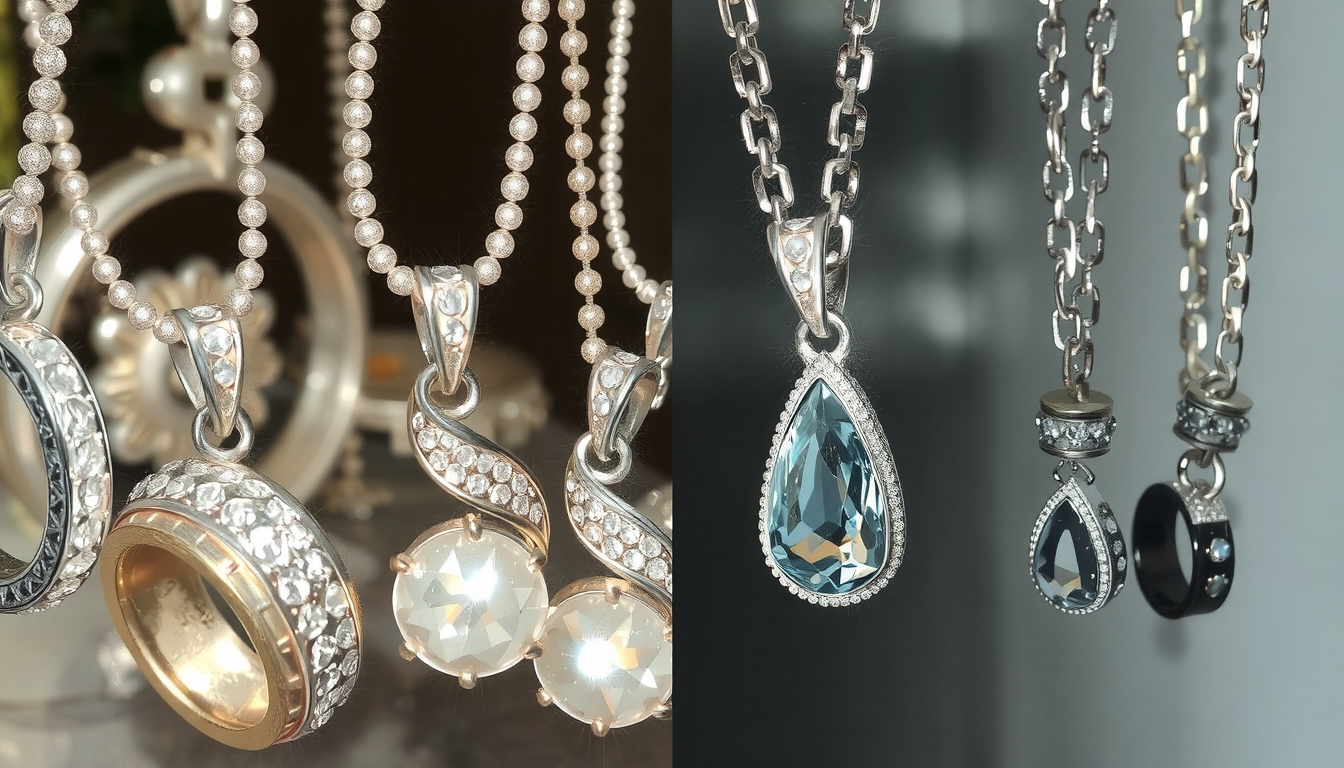
Yes, silver-plated jewelry does tarnish. This is a simple fact based on how it’s made. These pieces have a thin layer of real silver over a base metal. The base metal is usually copper or brass. When the silver layer touches air and moisture, it reacts and changes color. But this doesn’t mean your beautiful, affordable jewelry is ruined. Tarnishing is natural and can be managed. This guide will show you exactly why silver-plated items tarnish. You’ll learn how to prevent it, how to clean them safely, and how to make them last longer.
Wichtigste Erkenntnisse
- Tarnish is Normal: Silver-plated jewelry will tarnish. The silver layer reacts with sulfur and moisture in the air.
- Two Types of Damage: Tarnish can be a dark film on the silver. It can also be green or brown color when the plating wears off and the base metal shows.
- Prevention is Key: The “last on, first off” rule helps. Proper storage and avoiding chemicals are the best ways to make your jewelry last longer.
- Sanft Reinigen: Never use harsh polishes. A soft cloth or mild soap and water are the safest ways to clean silver-plated items.
- Know When to Stop: If cleaning shows a pink or yellow color, the plating has worn off. More cleaning will only remove more silver.
The Science of Tarnish: Why Your Jewelry Changes Color
Understanding why your jewelry changes color is the first step to protecting it. The question “will silver-plated jewelry tarnish?” has a clear answer based on science. It’s not about poor quality. It’s about the nature of the materials used.
What Exactly is Silver-Plated Jewelry?
Silver-plated jewelry is made through a process called electroplating. A base metal is used first. This is often copper, brass, or nickel. It’s placed in a special chemical bath. An electric current deposits a very thin layer of pure silver onto the surface of the base metal.
This silver layer is often tiny. It provides the beautiful look of solid silver. But its thinness is its main weakness. It’s this delicate coating that we need to protect.
The Two Ways Tarnish Takes Hold
Tarnish on silver-plated pieces happens in two main ways. It’s important to know the difference.
First is oxidation. The silver layer itself reacts with sulfur compounds in the air. This reaction creates silver sulfide. This is the classic black or dark film you see. Humidity makes this process happen much faster.
Second is wear-through. Friction from skin, clothes, and daily activities can rub off the thin silver plating. This shows the base metal underneath. This base metal then reacts with your skin’s oils, sweat, and the air. It often turns green or brown. This is different from the silver itself tarnishing.
Common Triggers That Speed Up Tarnish
Many everyday things can make your jewelry tarnish faster. If you wonder why your silver-plated items tarnish so quickly, one of these is likely the cause.
- Humidity and Moisture: Water from showers, swimming, and even humid air is the top enemy.
- Chemicals: Perfumes, lotions, hairspray, and household cleaners have chemicals that react with silver.
- Air and Food: Air pollution has sulfur. Foods like eggs, onions, and mayonnaise also release sulfur compounds.
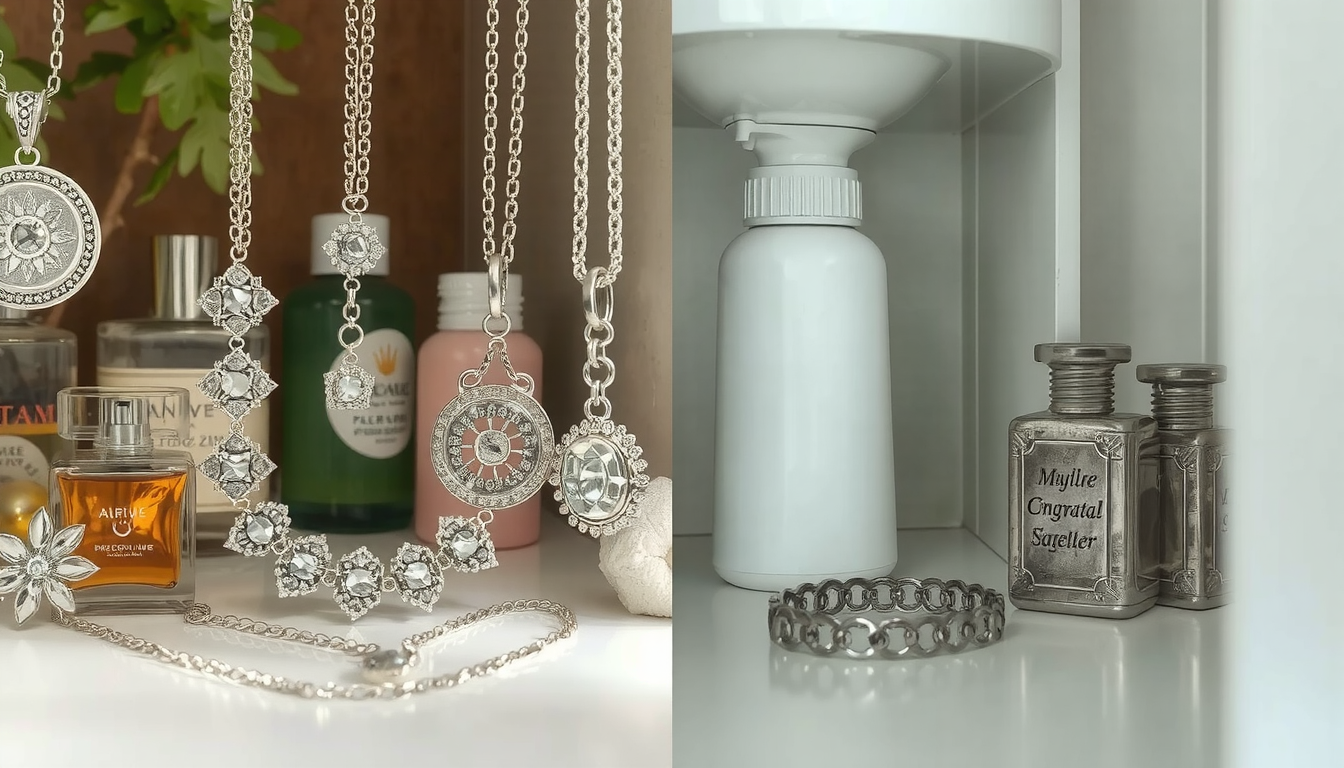
- Poor Storage: Leaving jewelry out in the open exposes it to air and moisture. Storing it in materials like cardboard or wool can also cause tarnish.
A Visual Guide: Identifying the Stages of Tarnish
Knowing what the color change on your jewelry means is crucial. It helps you decide the right way to clean it without causing more damage. This guide will help you understand what your jewelry is telling you.
What Your Jewelry’s Color Change is Telling You
The color and texture of the tarnish can show its severity and cause. By correctly identifying the stage, you can take the right action.
| Stage of Tarnish | Visual Appearance | What It Means | Empfohlene Maßnahme |
|---|---|---|---|
| Stage 1: Early Tarnish | Faint yellowish or golden hue on the surface. | The silver layer is just beginning to react with sulfur. This is easily reversible. | Gentle cleaning with a microfiber polishing cloth. |
| Stage 2: Advanced Tarnish | Dull grey, dark brown, or black spots or film. | A significant layer of silver sulfide has formed on the plating. This requires more than just a dry cloth. | cURL Too many subrequests. |
| cURL Too many subrequests. | cURL Too many subrequests. | cURL Too many subrequests. | cURL Too many subrequests. |
cURL Too many subrequests.
cURL Too many subrequests.
cURL Too many subrequests.“
cURL Too many subrequests. nachher cURL Too many subrequests.
cURL Too many subrequests.
cURL Too many subrequests.
cURL Too many subrequests., cURL Too many subrequests. cURL Too many subrequests.
- cURL Too many subrequests.
- cURL Too many subrequests.
- cURL Too many subrequests.
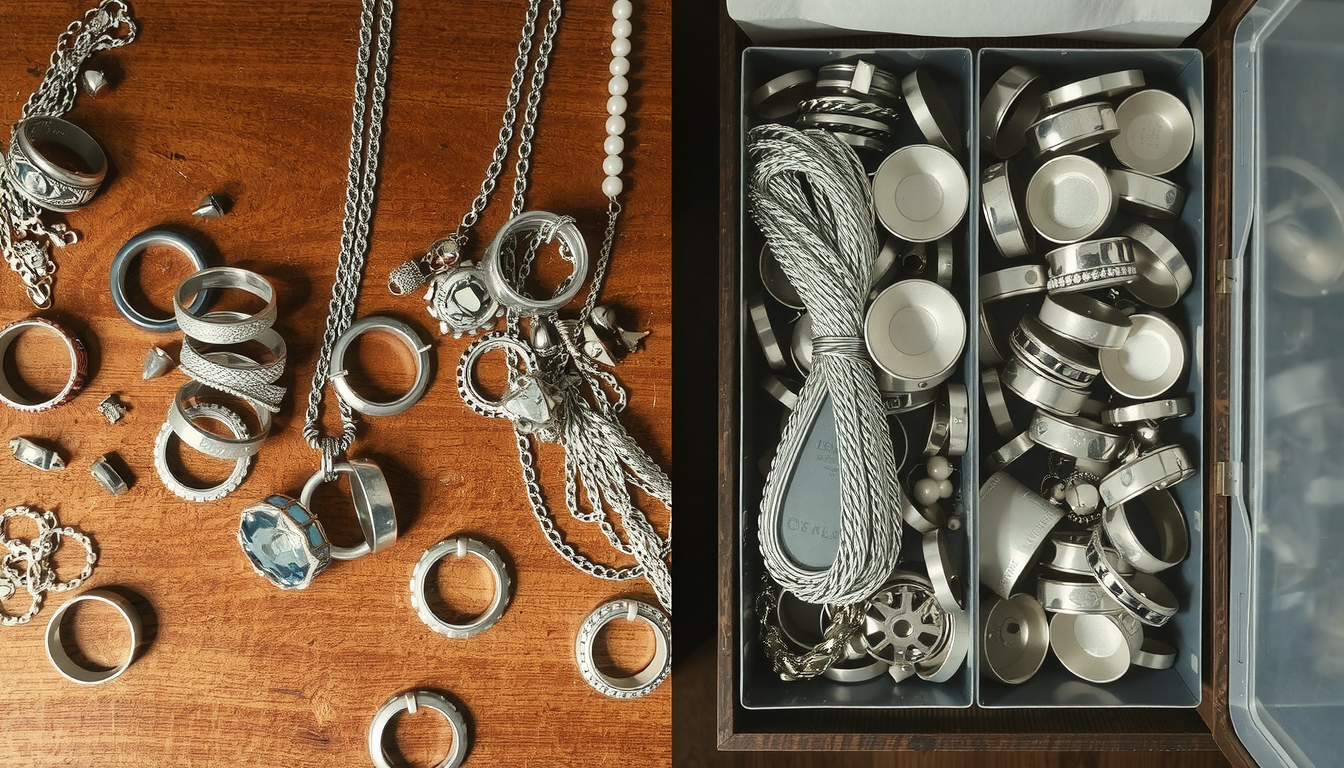
cURL Too many subrequests. Schmuckvitrine protects pieces from dust and airborne contaminants. Leading manufacturers like Ouyee Display often use anti-tarnish materials in their designs. The principles of professional Schmuckgeschäft Design can be applied at home. Create a dedicated, sealed storage space for your most valued pieces.
A “Do Not Wear” List
To keep your silver-plated pieces looking their best, avoid wearing them during certain activities. Treat them with care, and they will last much longer.
- Swimming: Chlorine in pools is very harsh on silver plating.
- Hot Tubs or Saunas: The mix of high heat and chemicals is a recipe for disaster.
- Cleaning: Household cleaners have strong chemicals that can strip the plating.
- Exercising: Sweat is acidic and salty. This will speed up both tarnish and wear.
Safe Cleaning for Silver-Plated Jewelry: Restoring Shine
When you ask, “does silver-plated jewelry tarnish?” the follow-up is always about cleaning. Cleaning these delicate items is possible. But it must be done with extreme care. The goal is to remove the tarnish without removing the silver itself.
Critical Warning: Harsh Materials Are Your Enemy
Remember, you are cleaning a tiny layer of silver. Harsh polishes, chemical dips, and rough cloths or brushes are made for solid sterling silver. On plated jewelry, these will quickly rub the silver layer right off. This shows the base metal underneath and causes permanent damage. Never use toothpaste or baking soda.
Level 1 – The Gentle Wipe-Down (For Light Tarnish)
For early-stage tarnish or general care, a simple wipe-down is best. After each wear, gently buff the surface with a soft, lint-free cloth. Use something like a microfiber or lens cloth. This removes skin oils and moisture. It helps prevent tarnish from forming in the first place.
Level 2 – The Mild Soap Bath (For Moderate Tarnish)
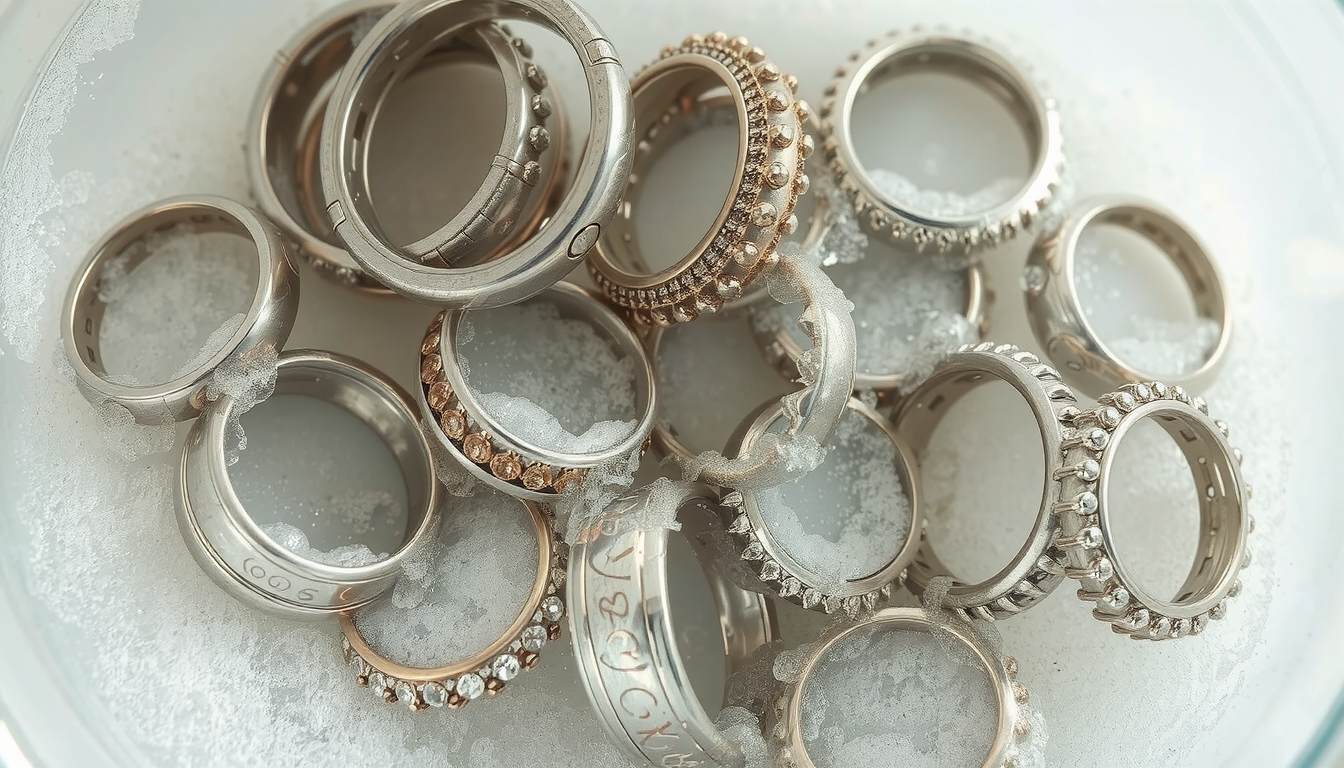
If your jewelry has developed a darker film, a mild soap bath can help. This method is safe for most silver-plated items.
- Mix a few drops of mild, phosphate-free dish soap into a bowl of warm water.
- Dip a soft cloth into the soapy water, not the jewelry itself. Squeeze out the excess.
- Gently wipe the piece with the damp cloth. Do not scrub or apply heavy pressure.
- Use a second cloth dampened with clean, plain water to “rinse” the soap off the jewelry.
- Right away, pat the piece completely dry with another soft, dry cloth. Make sure no moisture is left behind.
When to Stop: Recognizing Damage
If you are cleaning your piece and notice a pinkish or yellowish color appearing, stop right away. Pink means copper. Yellow means brass. This means the silver plating has worn through in that spot. Continued cleaning or polishing will only make the spot larger. It will remove more of the surrounding silver. At this stage, the damage cannot be undone without professional help.
Silver-Plated vs. The Alternatives: A Buyer’s Guide
Silver-plated jewelry is a great, affordable option for fashion-forward pieces. However, it’s helpful to know how it compares to other “silver” jewelry types. This knowledge helps you choose the right material for your budget, lifestyle, and how often you plan to wear the piece.
A Head-to-Head Comparison
Here is a simple breakdown of the most common silver-colored jewelry materials.
| Merkmal | Silver-Plated | Sterling Silver (.925) | Silver-Filled | Rhodium-Plated |
|---|---|---|---|---|
| Composition | A thin silver layer over a base metal (copper, brass). | 92.5% pure silver mixed with 7.5% other metals. | A thicker layer of sterling silver bonded to a base metal core. | A base metal coated in silver, then a final layer of rhodium. |
| Haltbarkeit | Low. The plating wears off with friction and time. | cURL Too many subrequests. | cURL Too many subrequests. | cURL Too many subrequests. |
| cURL Too many subrequests. | cURL Too many subrequests., cURL Too many subrequests. | cURL Too many subrequests., cURL Too many subrequests. | cURL Too many subrequests., cURL Too many subrequests. | Nein. cURL Too many subrequests. |
| Kosten | cURL Too many subrequests. | cURL Too many subrequests. | cURL Too many subrequests. | cURL Too many subrequests. |
| Am besten Für | cURL Too many subrequests. | cURL Too many subrequests. | cURL Too many subrequests. | cURL Too many subrequests. |
cURL Too many subrequests.
cURL Too many subrequests.
The Realistic Lifespan
Many factors influence how long silver plated jewelry lasts. For a piece worn only on special occasions and stored carefully, it could look beautiful for many years. For an item like a ring or bracelet worn daily, the plating might start to wear off in less than a year. On average, you can expect a well-cared-for piece to last a couple of years.
The Replating Option: Is It Worth It?
If a cherished piece has lost its plating, it can be saved. A professional jeweler can electroplate the item again. This restores its silver coating. This process is called replating.
However, the cost of replating can sometimes be more than the original price of the jewelry. This option is usually saved for pieces that have significant sentimental value. This is a delicate service often offered by a skilled Schmuckschaufensterhersteller or a local jeweler with the right equipment.
Häufig gestellte Fragen (FAQ)
Here are quick answers to some of the most common questions people have.
Will silver-plated jewelry turn my skin green?
Yes, it can. This happens when the silver plating wears off. It exposes the base metal underneath, which is often copper. The copper reacts with the salts and acids in your sweat. This creates a harmless green tint on your skin.
Can I wear silver-plated jewelry in the shower?
It is strongly recommended that you do not. The constant exposure to water, soaps, and humidity will cause the silver to tarnish very quickly. It can also weaken the plating and cause it to wear away faster.
How can I tell if my jewelry is silver-plated or sterling silver?
Look for a stamp or hallmark. Sterling silver is legally required in many countries to be stamped with “925,” “.925,” or “STER.” Silver-plated items usually have no stamp. If they do, it might say “SP” (Silver Plated) or “EPNS” (Electro-Plated Nickel Silver). Price and weight are also clues. Sterling silver is heavier and more expensive.
Does the thickness of the silver plating matter?
Absolutely. Plating thickness is measured in microns. A thicker plating (e.g., 1-3 microns) will be much more durable. It will last much longer than a very thin “flash” plating (less than 0.5 microns). Unfortunately, sellers of fashion jewelry rarely provide this information.
Is silver-plated jewelry hypoallergenic?
It depends entirely on the base metal. If the base metal is nickel, a common allergen, then the jewelry is not hypoallergenic. Once the plating wears off, it can cause a skin reaction in sensitive individuals. If you have allergies, look for pieces advertised as having a nickel-free or brass base.
The Final Polish: Embracing Your Collection
So, does silver-plated jewelry tarnish? Yes, but now you have the expert knowledge to control it. You understand the science behind the change. You have a full toolkit for prevention and care.
By practicing mindful wear, smart storage, and gentle cleaning, you can keep your affordable and stylish pieces shining for a long time. Silver-plated jewelry allows you to experiment with trends without a big investment. Embrace your collection with confidence, knowing you can preserve its beauty.
- Originalsprache: Englisch.
- Strikte Übersetzung, Einhaltung der deutschen Syntax.
- Nur der übersetzte Text wird ausgegeben.
- Der übersetzte Text darf keine Informationen über das Herkunftsland oder die Region enthalten, wie z.B. "Vereinigte Staaten", "US-Distributor". Stellen Sie sicher, dass alle Ziel-Länderspezifischen Angaben auf Deutschland geändert werden. Alle Länderangaben beibehalten.
- Zum Beispiel: "Fabrik in China" oder "Hergestellt in Vietnam".
- In deutscher Sprache verfasst, die Schlüsselwörter müssen genau übersetzt werden!
- Keine Erklärungen, kein Markdown, kein zusätzlicher Text.
Bitte geben Sie den zu übersetzenden Text ein.
Bitte geben Sie den zu übersetzenden Text ein.